Join me on a mesmerizing journey through Iceland as I chase the aurora borealis, from spotting the northern lights out the airplane window to standing beneath their vibrant glow over glaciers and black sand beaches. This personal journal shares the highs, challenges, and unforgettable moments of photographing the aurora, along with reflections on the magic of Iceland’s winter skies. Whether you’re a fellow photographer or an armchair traveler, experience the awe-inspiring beauty and life-changing wonder of chasing the northern lights.
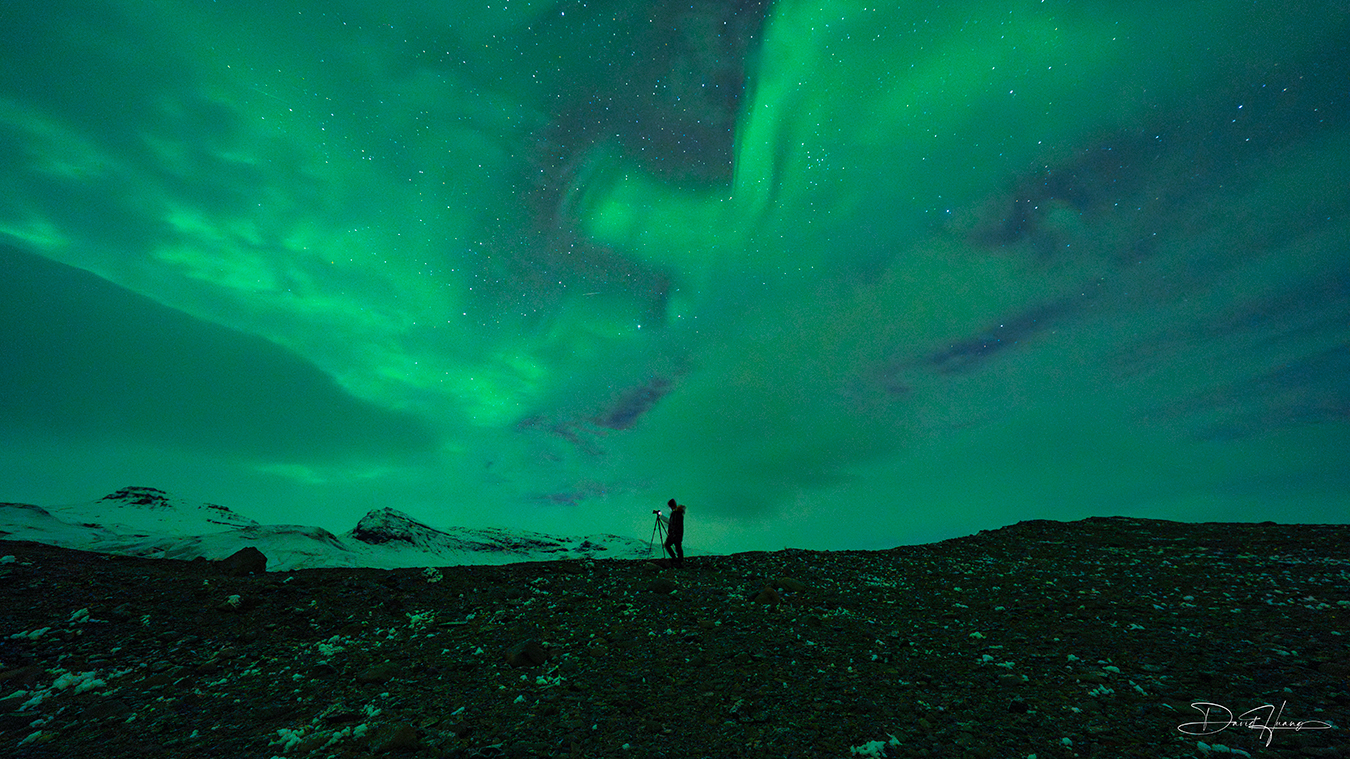
Environmental self-portrait in front of the dancing aurora taken on our first successful night of aurora chasing; Shot on Sony A7IV at f2.8, 16mm (12-24mm, f.28), ISO 3200, SS 5s
Finding Community Beneath the Northern Lights
I’ve never really been a “tour group” kind of traveler. I usually prefer crafting my own itineraries — ones that match my pace, my quirks, and, more importantly, my photography habits. Over the years, I’ve come to love wandering off the well-worn tourist paths and finding places that feel like little secrets, untouched by the flood of geotags on social media. I often travel solo, partly because I enjoy pushing myself on challenging hikes, but mostly because I never want to feel rushed when I’m behind the camera.
But for my very first trip to Iceland this past March-April, I made an exception. I had one specific goal: to capture the northern lights. And when I discovered that Babak Amin Tafreshi — National Geographic’s legendary night sky photographer and one of my personal heroes — leads his own aurora-focused photography tours twice a year, the decision was made. Joining this group turned out to be one of the most memorable choices I’ve ever made while traveling. It wasn’t just about finally seeing and photographing the aurora (though that alone was worth the trip). It was about the community I found along the way: fellow photography nerds, gear heads, and nature lovers who shared the same passion and patience it takes to chase the perfect shot. Iceland itself was the final brushstroke — a landscape so wild and beautiful it lived up to every bit of the hype. Looking back, I’d join again in a heartbeat.

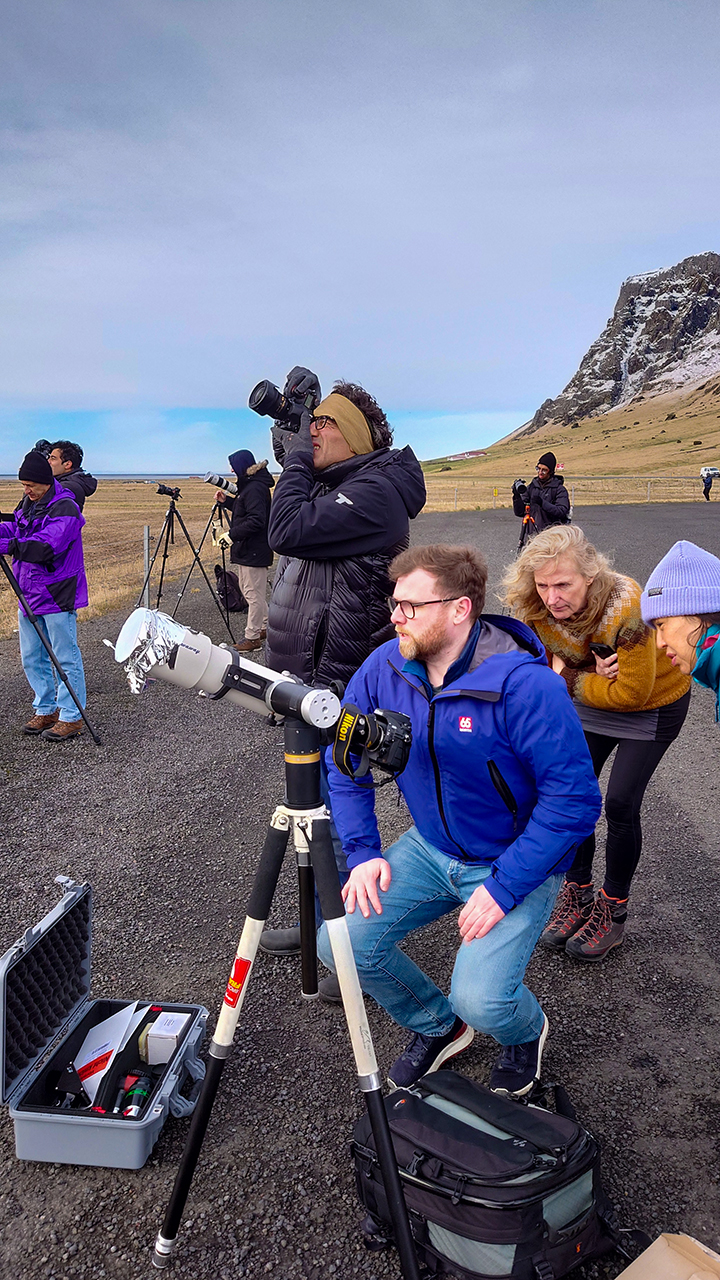
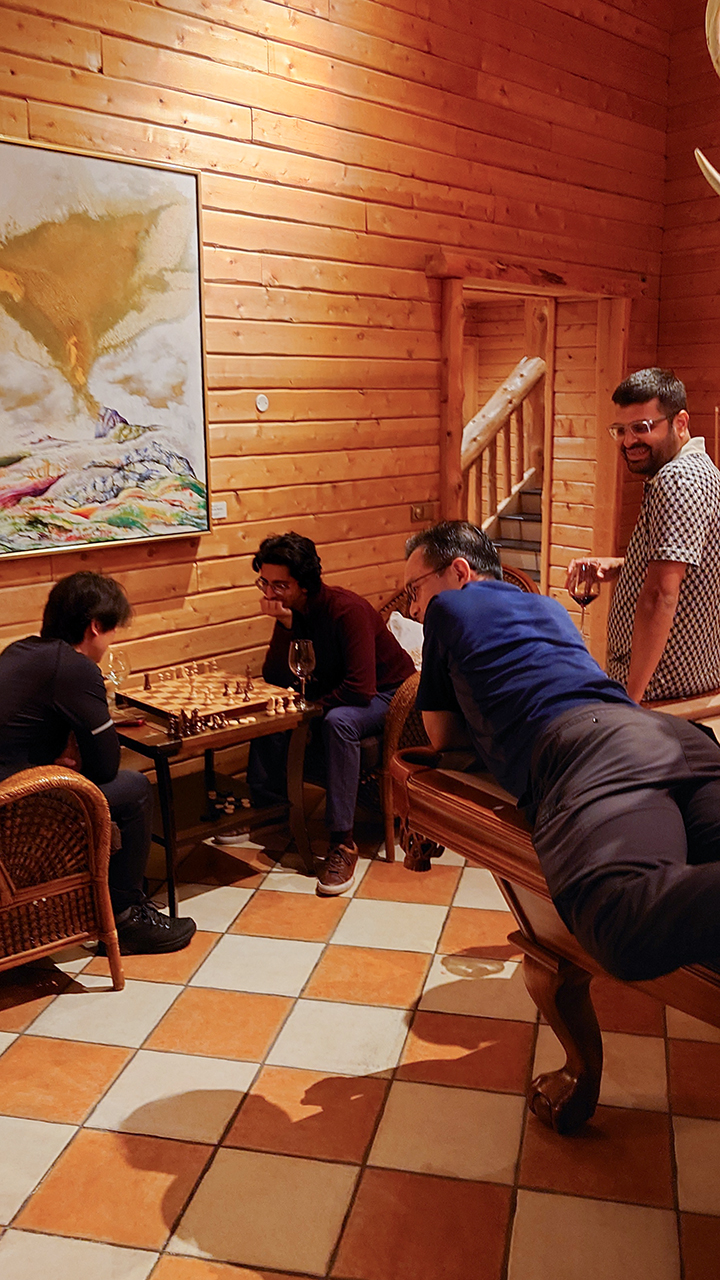

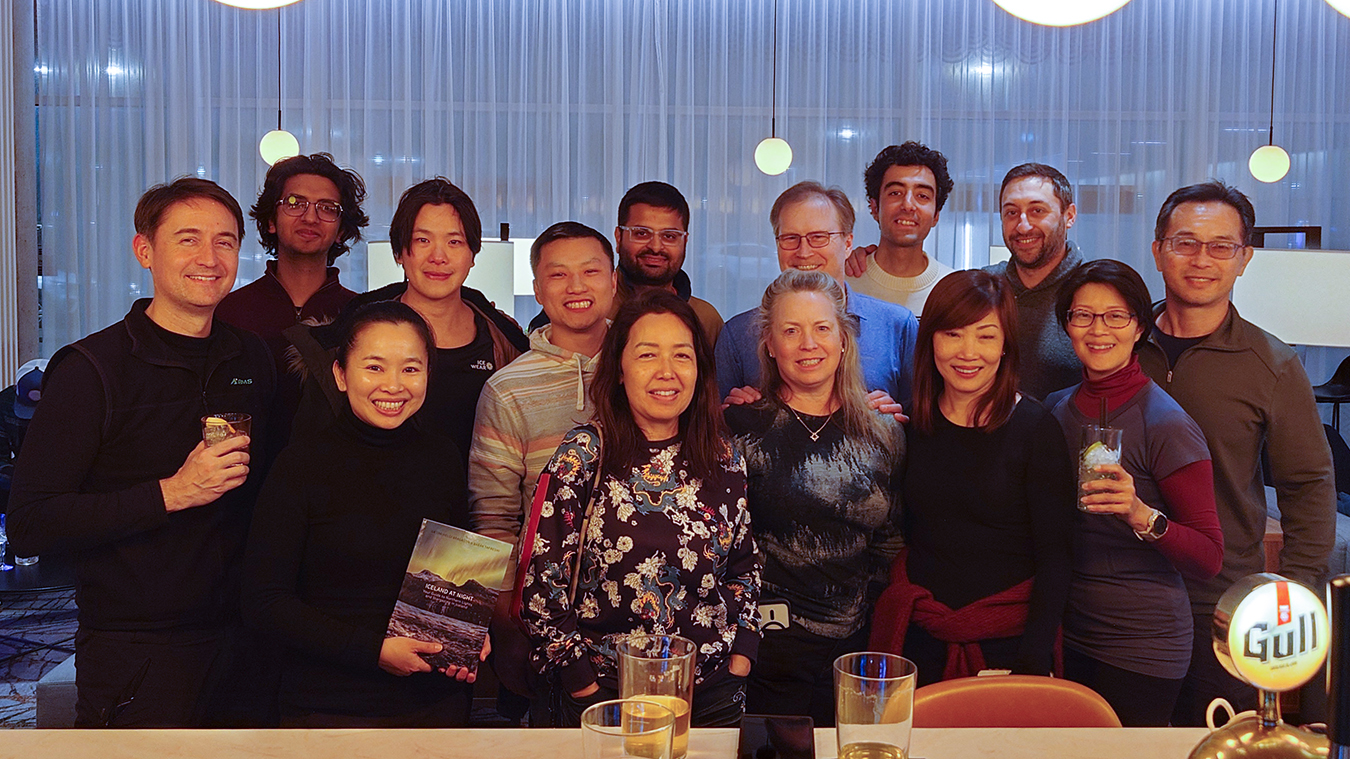
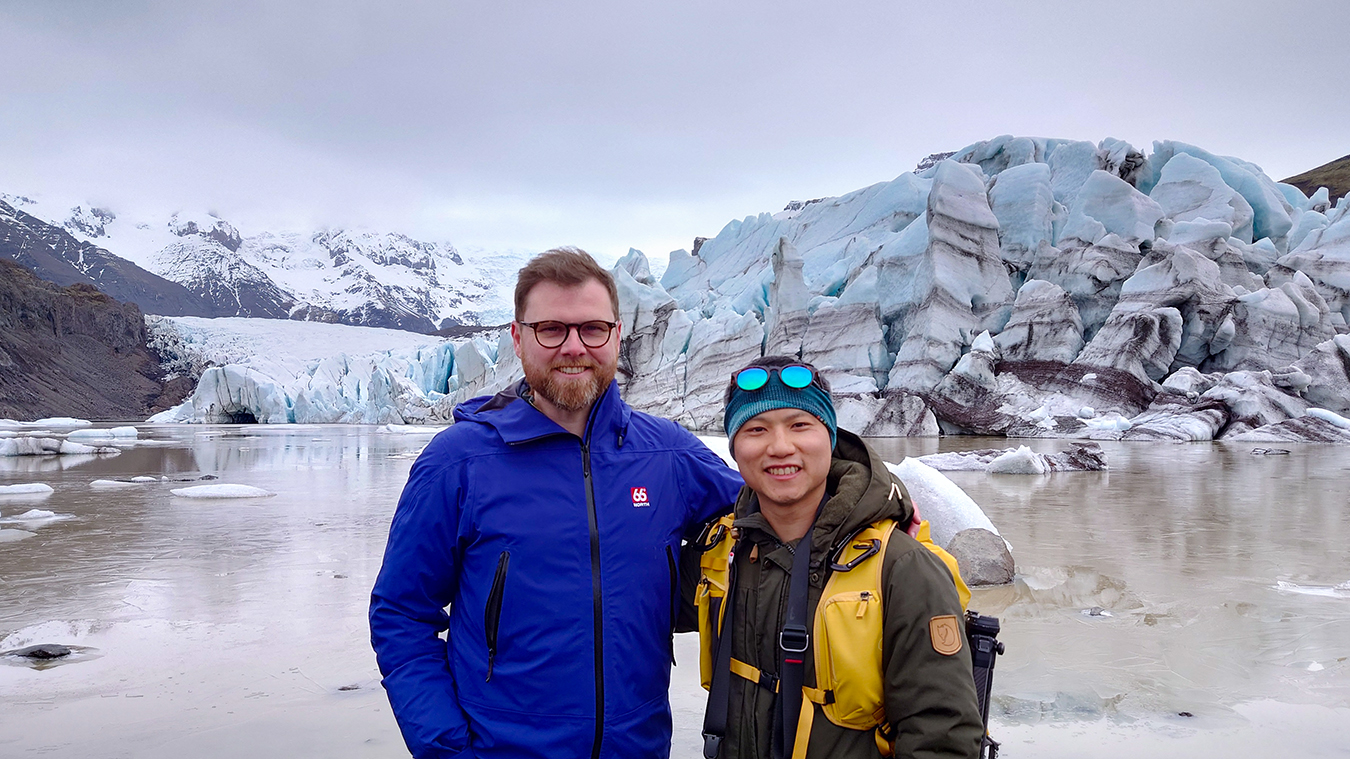
Photos of some of the group with our amazing photography instructor, National Geopgraphic photographer, Babak Amin Tafreshi, our local scientist and guide, Sævar Helgi Bragason, and our outstanding bus driver, Kristján Magnússon.
Aurora Surprise: Spotting the Northern Lights From 30,000 Feet
I have to admit—I was lucky enough to see the aurora before even touching down in Iceland. I’d read beforehand that it was possible to catch the northern lights from a flight crossing the Arctic Circle, and since I was flying from the northeast United States, I picked a window seat on the left side of the plane to maximize my chances of facing north en route to Reykjavík. Sure enough, Icelandair’s 8:25 pm departure out of New York JFK (arriving at KEF at 6:10 am local time) would put me over the Labrador Sea and Greenland during the darkest stretch of the night. Perfect conditions for a chance encounter.
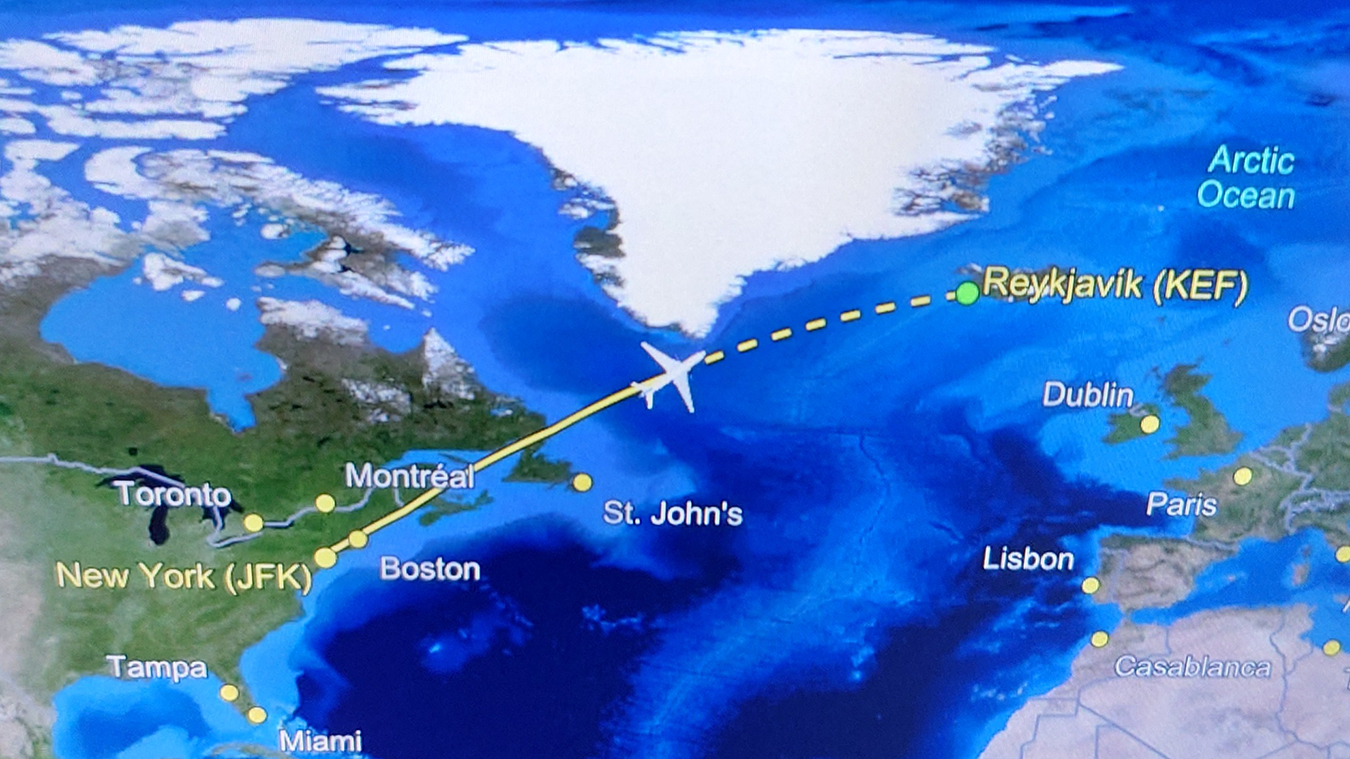
Our plane passing over the Labrador Sea, near the southern tip of Greenland
When the cabin lights dimmed and most passengers drifted off to sleep, I was wide awake, eyes glued to the flight tracker on the seatback monitor. As we crossed into the Labrador Sea, I pressed my forehead against the cold glass, scanning the horizon for any sign of the aurora. At first, I thought I was just staring at wispy high-altitude clouds—but something about the way they passed by felt different, almost fluid and alive.
As an astrophotographer, I knew my eyes alone might not be reliable in the dark, so I raised my camera for a test shot. And there it was—the faint “cloud” lit up on my screen in a wash of green. My heart leapt. The northern lights. The very scene I had dreamed of for years was right outside my window. For a moment I wanted to shout to the entire cabin, Wake up! You’re missing the show of a lifetime! But instead I had to settle for sharing it quietly with my row neighbor and the couple behind me, who peeked out in absolute awe.
Sleep was out of the question. I spent the rest of the night capturing as many handheld shots and timelapses as I could, watching the aurora ripple and dance alongside the plane. I wasn’t perfectly prepared—without a tripod or a proper way to block window reflections—but it didn’t matter. The thrill of photographing my very first aurora from 30,000 feet set the tone for the entire trip. Iceland hadn’t even begun, and already it felt magical.
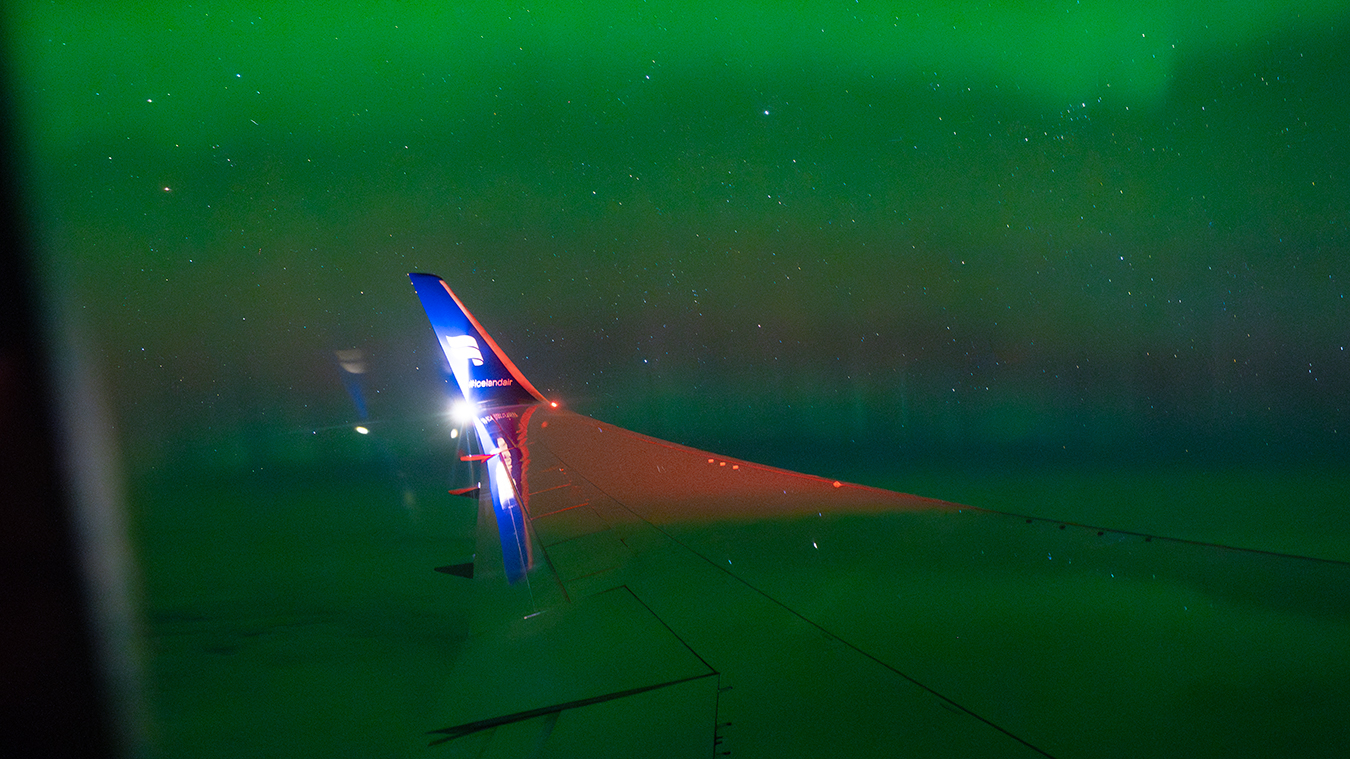
My first glimpse of the aurora on the overnight flight from NYC to Reykjavík; Shot on Sony A7IV at f2.8, 17mm (16-35mm, f.28 i), ISO 6400, SS 2.5s
When the Sky Came Alive: My First Geomagnetic Storm
The high I felt from that magical airplane sighting had dulled a bit after the first two days in Iceland. The weather was relentless—overcast skies, pouring rain, and winds that lived up to the “ice” in Iceland’s name. Night sky photography was out of the question, and even daytime shooting was a challenge. By the time our group trudged back from a soggy day exploring the Golden Circle, I was beat. Wet, cold, and demoralized, I was ready to collapse into a hot shower, dinner, and bed.
That’s when the routine began. Each evening, Babak’s local expert, geologist and astronomer Sævar Helgi Bragason, would dive into the data—checking NOAA forecasts, speaking with his meteorologists contacts, and scanning weather maps. His job was to hunt for two things: a break in the cloud cover, and enough auroral activity to make the chase worth it. Midway through dinner, word came down: We’re headed out tonight.
Apparently, there was one small pocket of clear skies—just one—across the entire country. It was nearly a 90-minute drive away, but it was our shot. I’ll admit, part of me secretly hoped we’d call it off. I was so tired, I would’ve happily melted into bed. But as soon as the news spread through the group, you could feel the electricity in the air. This was why we had come.
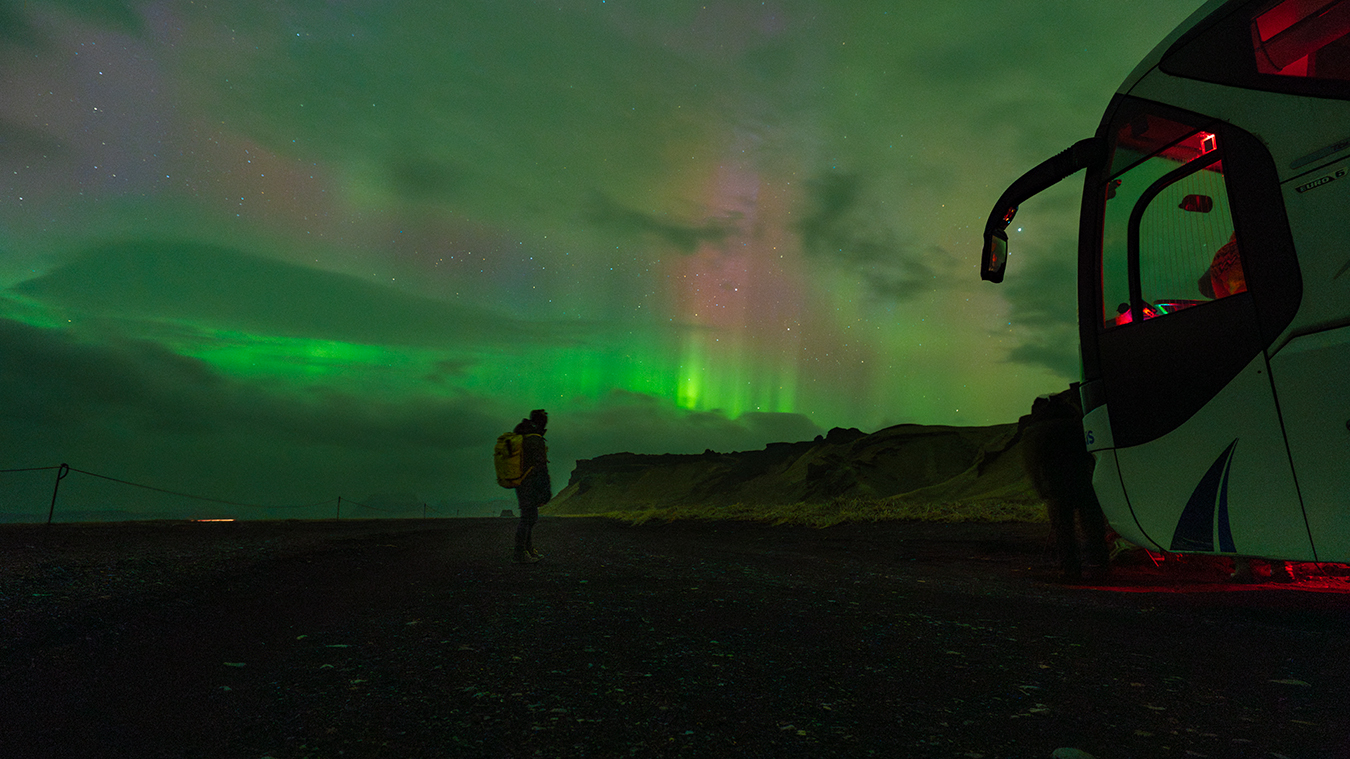
We piled into the bus and headed south, the wheels humming under us as the clock ticked toward peak activity around 11 PM. When we finally pulled up near Iceland’s famous black sand beaches, the wind off the ocean hit us like a wall. We positioned the bus as a windbreak and all faced north, scanning the sky with anticipation.
And then—she arrived. Lady Aurora swept across the heavens in vibrant strokes of green and pink, rippling and pulsing as if alive. At times, thick clouds raced through and blocked the brightest bursts, but even then the sight of clouds glowing from behind—lit by the aurora itself—was nothing short of surreal.
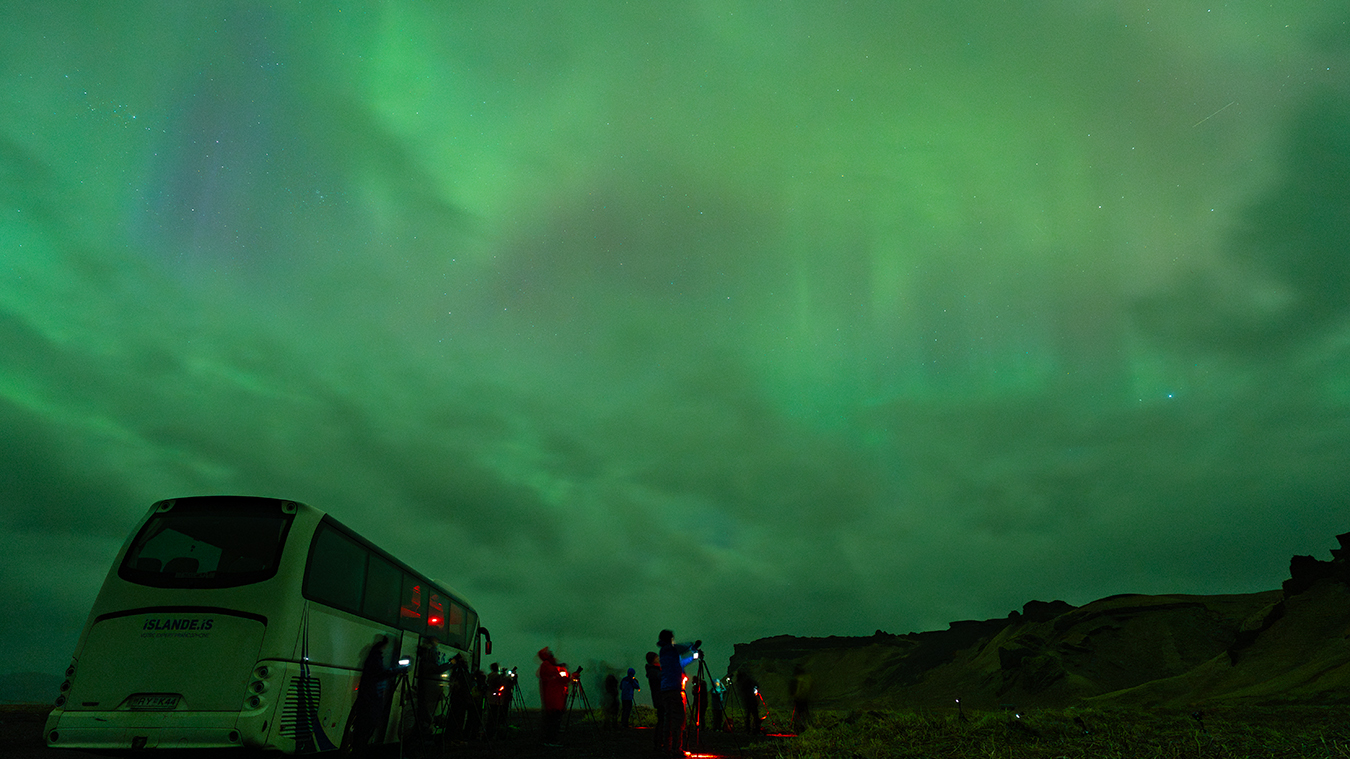
An explosion of aurora activity right above our location, as we used the bus as a windshield; Shot on Sony A7IV at f2.8, 16mm (12-24mm, f.28), ISO 3200, SS 5s
I came away with some incredible photos that night, but what stayed with me most wasn’t on my camera. It was the feeling—the rollercoaster from exhaustion to elation, from gray drizzle to technicolor wonder. My heart was full of gratitude. Against all odds, Iceland had delivered.
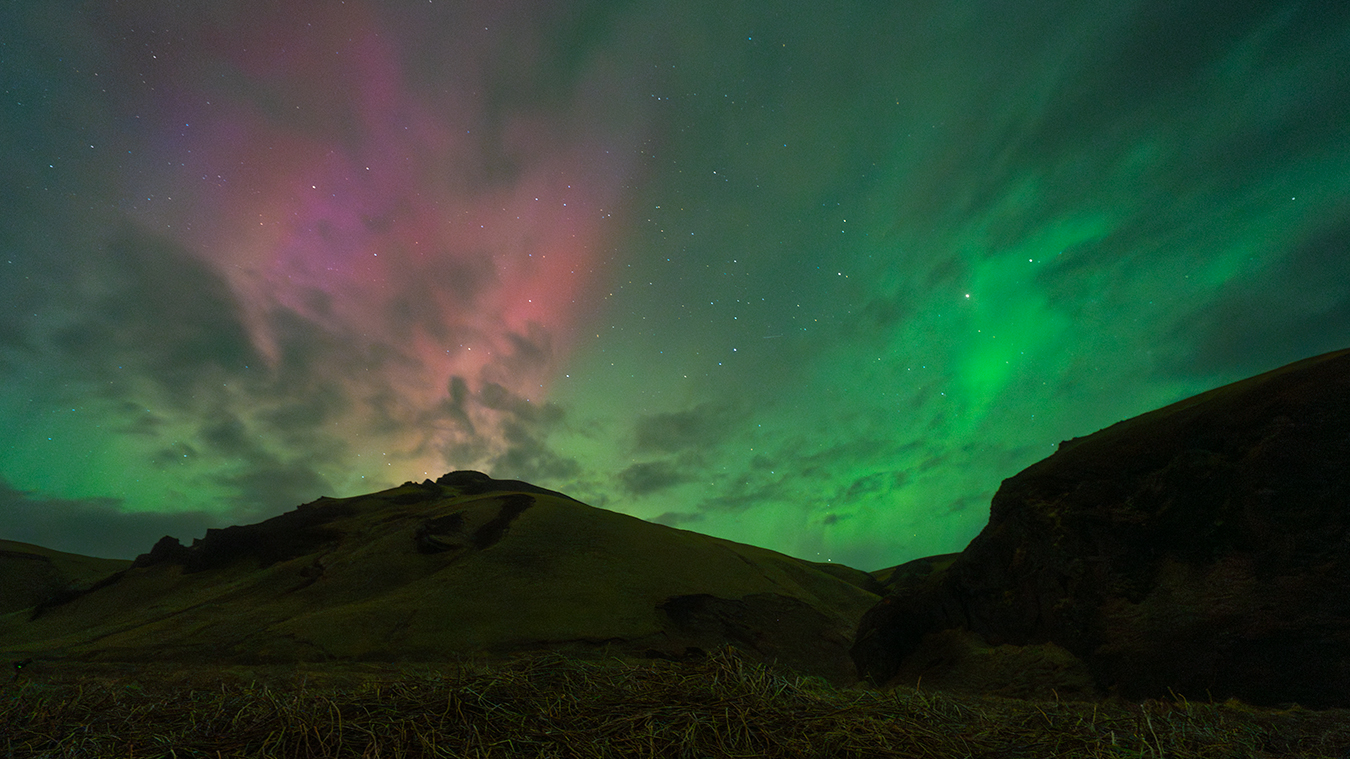
Vibrant colors of the incredible geomagnetic activity that night; Shot on Sony A7IV at f2.8, 16mm (12-24mm, f.28), ISO 3200, SS 5s
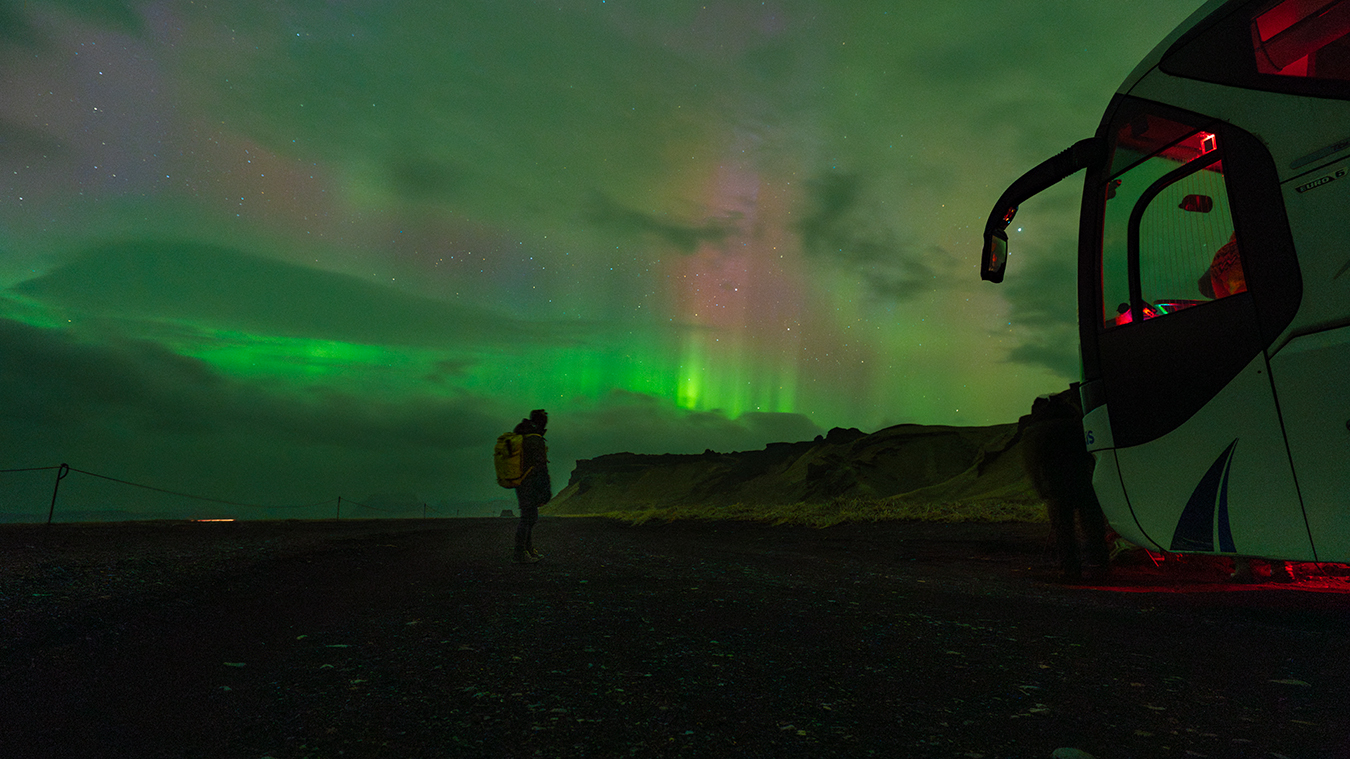
Standing on the black sand beach enjoying the show; Shot on Sony A7IV at f2.8, 16mm (12-24mm, f.28), ISO 3200, SS 5s
Glacier, Stars, and Northern Lights: Skaftafell’s Perfect Symphony
On the greatest night of the trip—and maybe of my life—the aurora put on a show that felt beyond anything I could have imagined. By this point, in the second half of the tour, we had steadily worked our way east and landed at the foot of the Svínafellsjökull Glacier, tucked right behind the charming Skaftafell Hotel. The beauty of staying there was simple but priceless: just steps behind the hotel, a well-marked trail led directly to the glacier’s edge. No bus, no waiting—just a short walk into wild Icelandic magic.
The last two nights had been quiet on the aurora front. Since that first beach sighting, activity had died down, and with each overcast evening I felt the clock ticking. My time in Iceland was slipping away, and with it, my chances for one more unforgettable display. As usual, after a long day of exploring, we regrouped over dinner, waiting for the nightly forecast. This time, the numbers looked bleak. The official call: no group outing.
But I wasn’t ready to give up. My roommate Michael (@fungkawah) felt the same. With the glacier in our backyard, why not take the chance? So, armed with our cameras, we slipped out into the night.
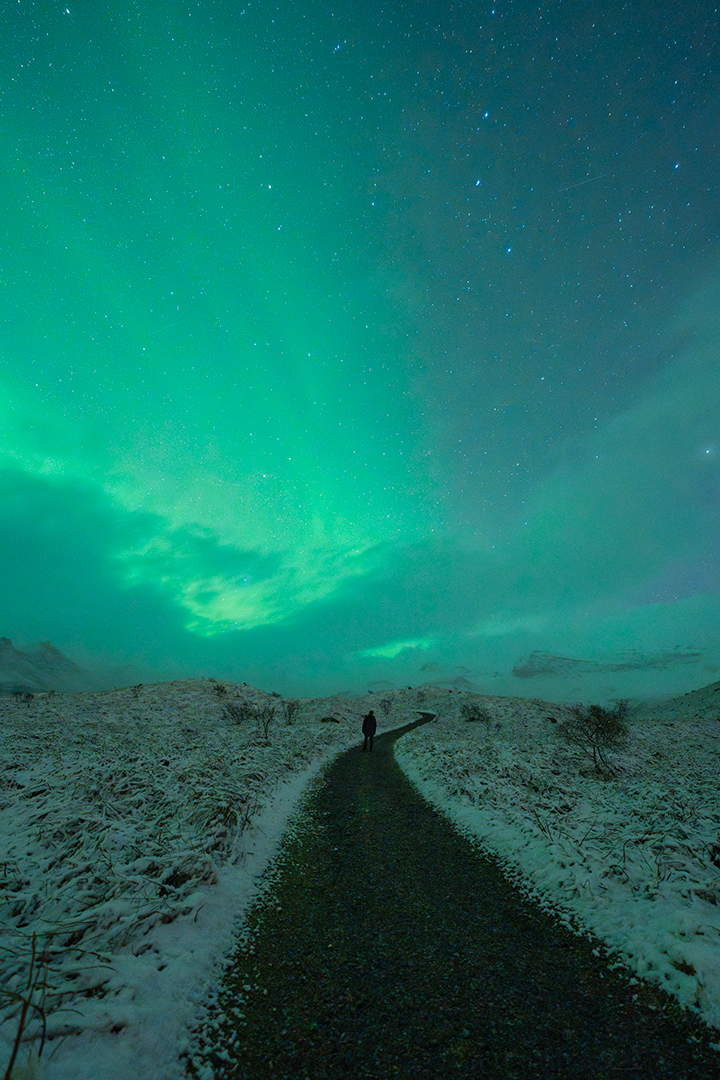
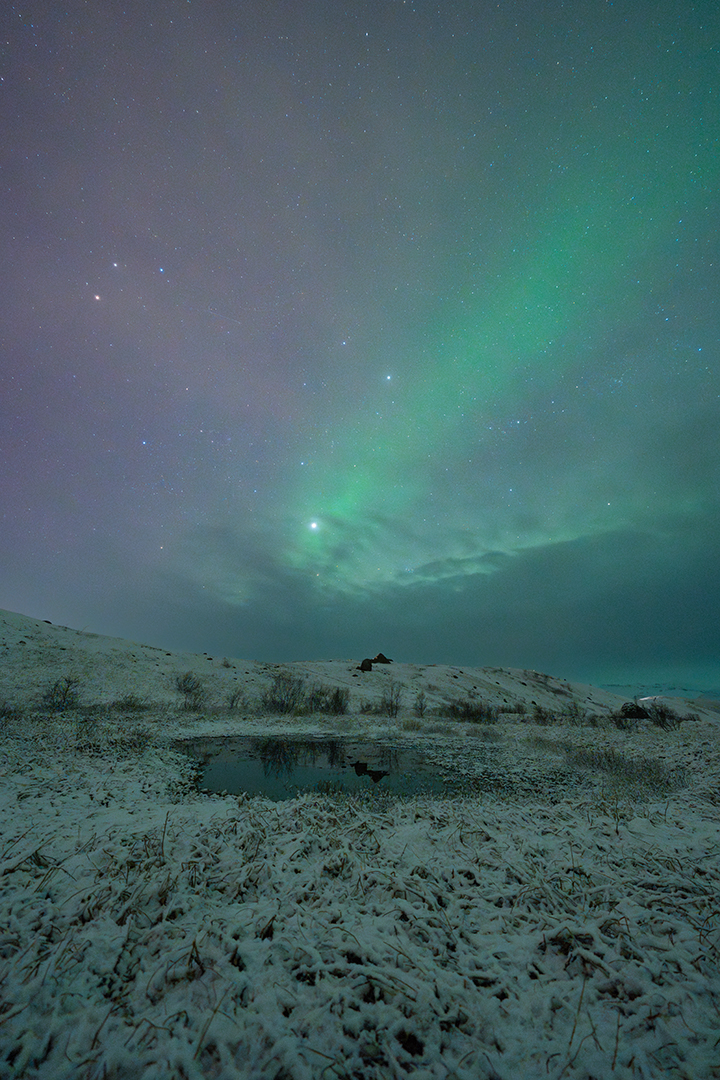
Left: Walking down the trail behind Hotel Skaftafell to Svínafellsjökull Glacier; Right: Some of the vibrant colors seen on our way down to the glacier; Both: Shot on Sony A7IV at f2.8, 12mm (12-24mm, f.28), ISO 6400, SS 10s
At first, it was subtle—faint streaks of green and turquoise flickering above the glacier in the distance. Enough to spark hope. We sent a quick message to the group chat but pressed on, not wanting to waste a single second. And then, almost without warning, the sky erupted. The faint glow transformed into an electric storm of color. Waves of green rippled across the ice. The glacier itself, that brilliant icicle-blue we had admired in daylight, now shimmered under a veil of emerald light. Behind it, the hulking peak of Hvannadalshnúkur caught fire with streaks of pink and green, like something pulled from another world.
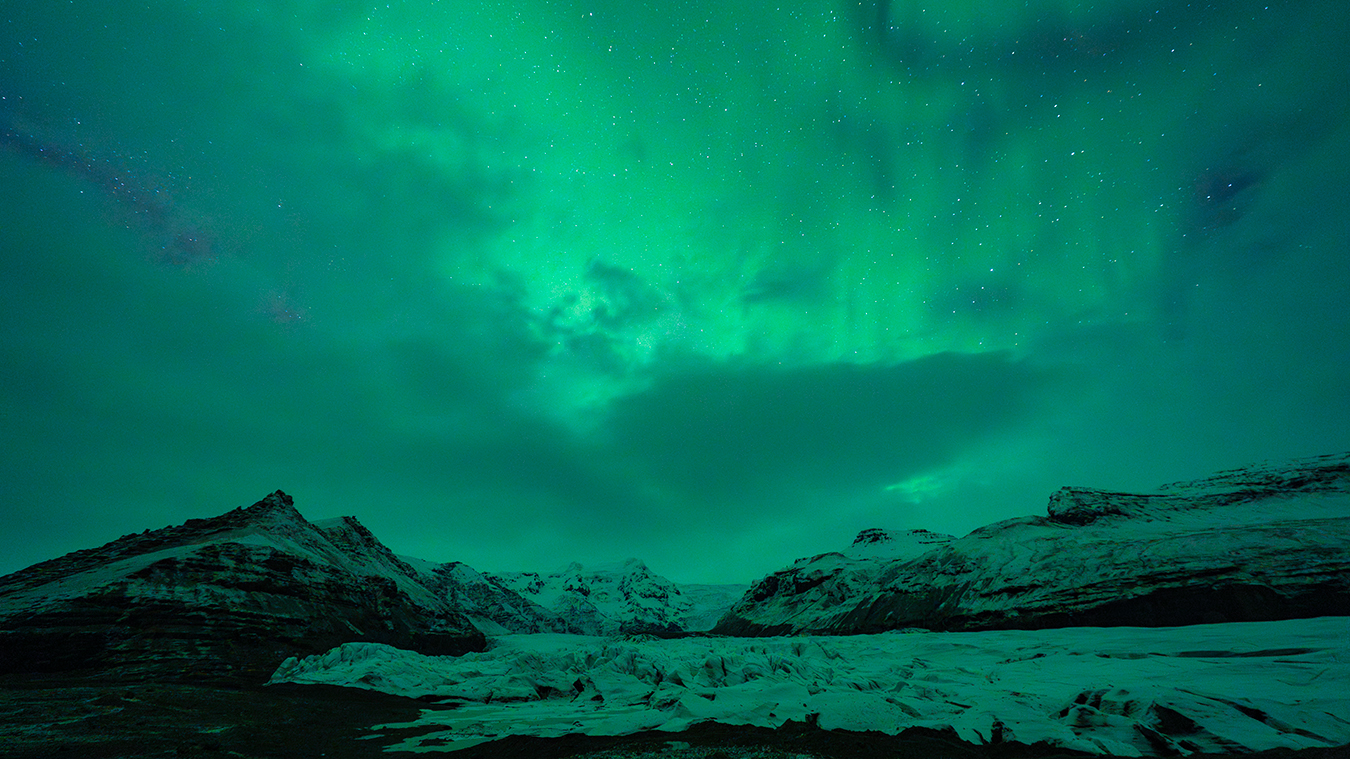
The wildly dancing aurora over the massive peak of Hvannadalshnúkur; Shot on Sony A7IV at f2.8, 12mm (12-24mm, f.28), ISO 4000, SS 6s
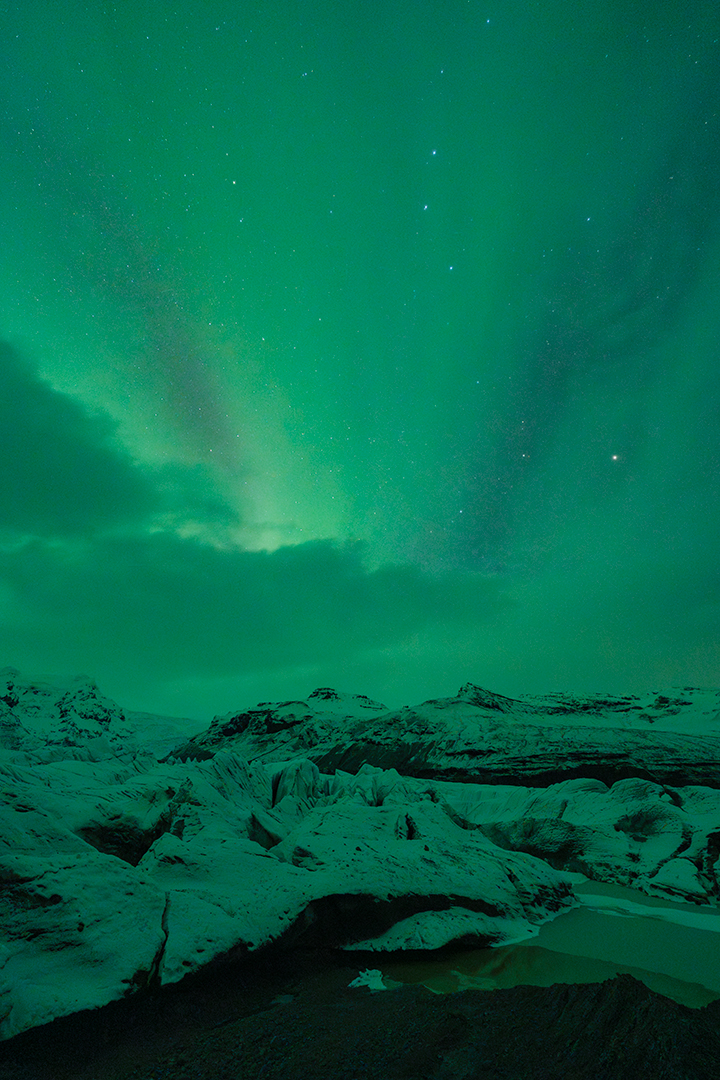
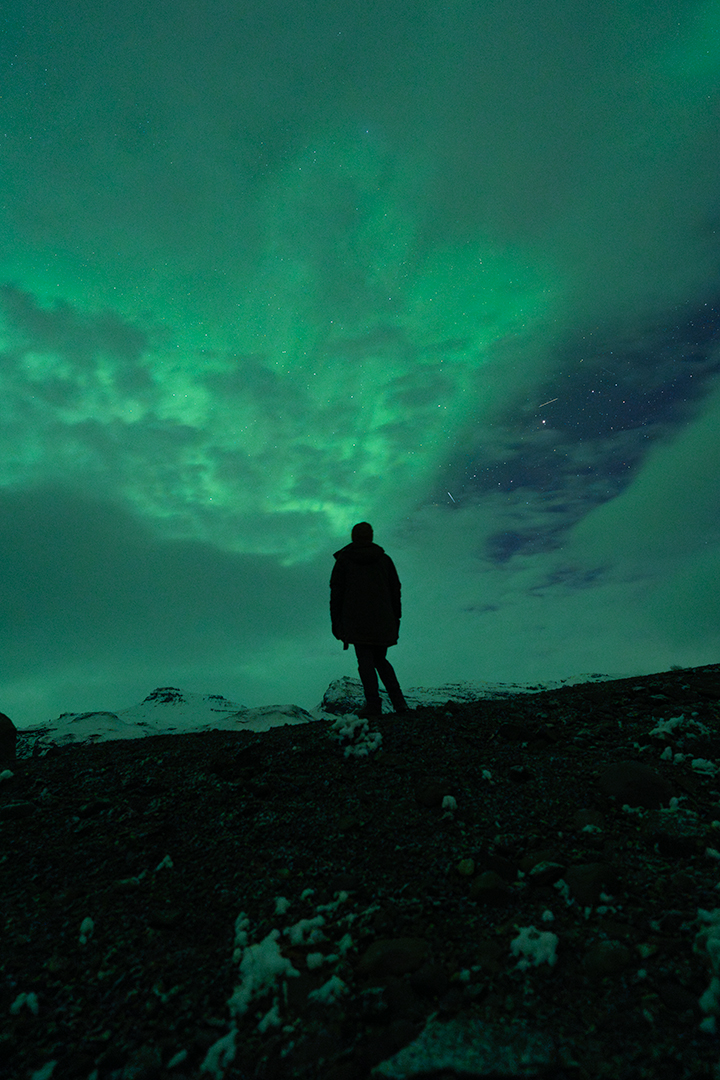
Left: Explosion of the northern lights over the glacier; Shot on Sony A7IV at f2.8, 12mm (12-24mm, f.28), ISO 4000, SS 6s Right: Environmental portrait atop the ridge overlooking Svínafellsjökull Glacier; Shot on Sony A7IV at f2.8, 17mm (12-24mm, f.28), ISO 3200, SS 6s
We stood there for hours—three, maybe more—completely spellbound. Time melted away. It was just us, our cameras, and the living sky.
My favorite moment came near the end of the night. Michael and I had climbed up a ridge overlooking the glacier. I moved down a slope to adjust my angle, then looked back. There he was, silhouetted against the horizon, a lone figure beneath a cathedral of light. And in that instant, it hit me: this is what astrophotography is all about. The long walks in the dark, the stillness of night, the patience, the cold—and then, suddenly, the payoff. Sometimes you share it with a friend, sometimes you’re alone, but always, always, you’re looking up.
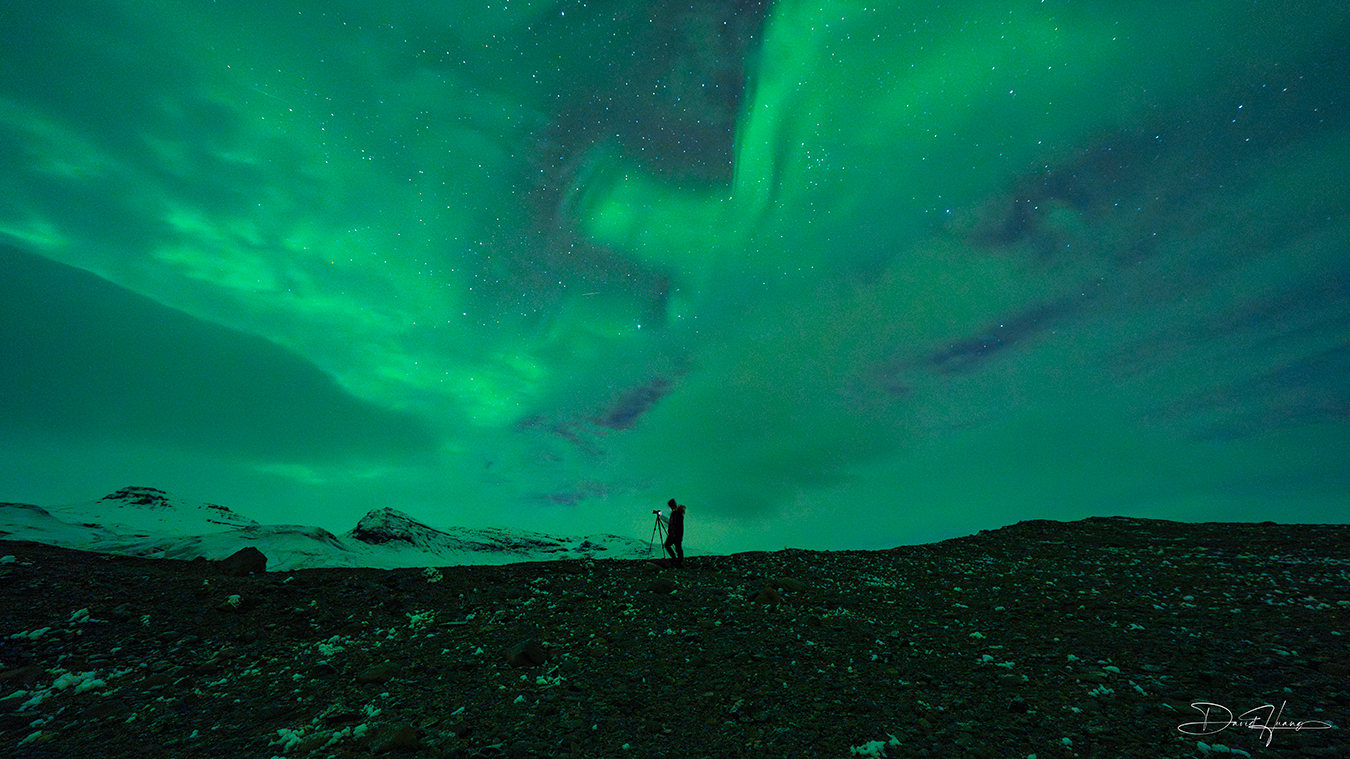
Michael silhouetted against the horizon, a lone figure beneath a cathedral of light; Shot on Sony A7IV at f2.8, 12mm (12-24mm, f.28), ISO 5000, SS 6s
Closing Thoughts: Why You Should Chase the Aurora Too
On the final night of the trip, we caught glimpses of faint aurora activity above the stargazer’s haven of Hotel Ranga. A fun fact: Hotel Ranga features an outdoor observatory, created in collaboration with Sævar Helgi Bragason, that lets guests peer through several telescopes while learning about the vastness of the night sky—a must for anyone even slightly star-curious.
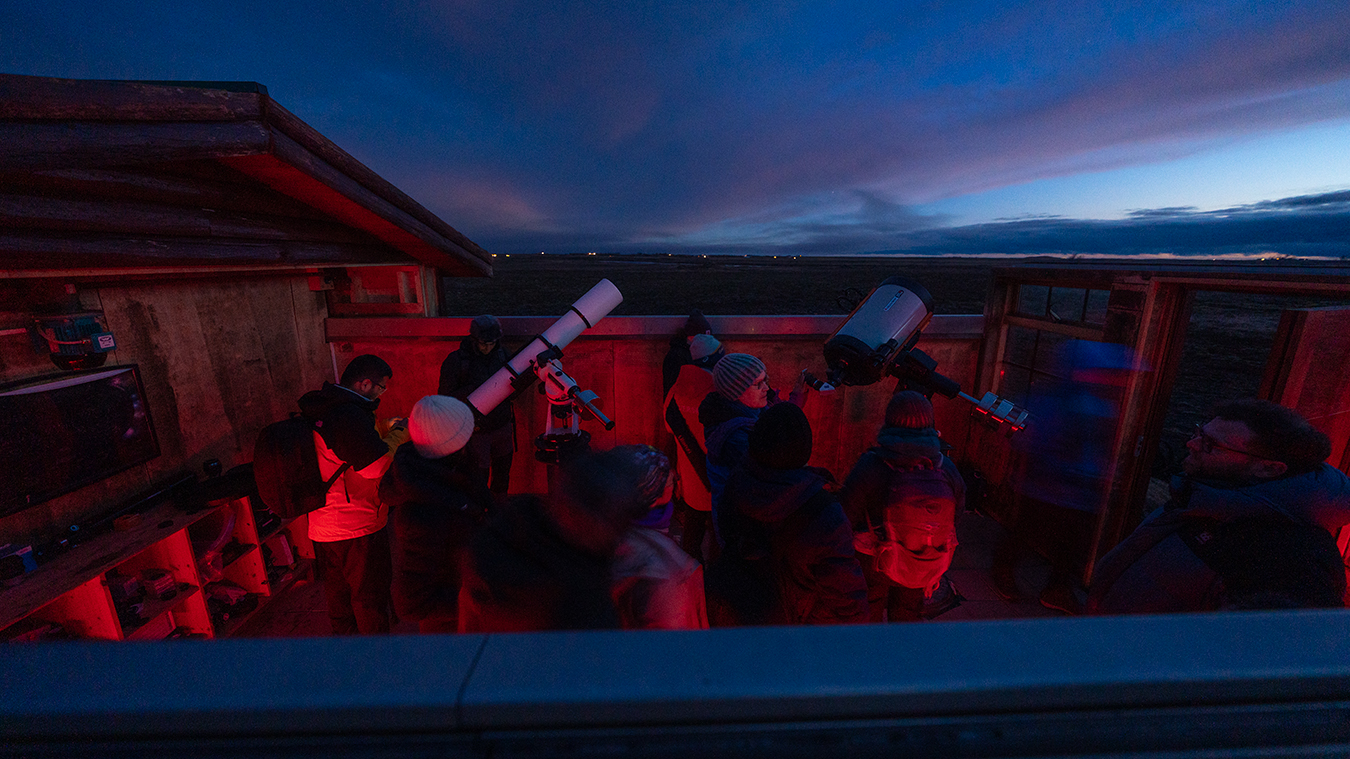
Star watch party at the observatory at Hotel Ranga; Shot on Sony A7IV at f2.8, 12mm (12-24mm, f.28), ISO 2500, SS 0.40s
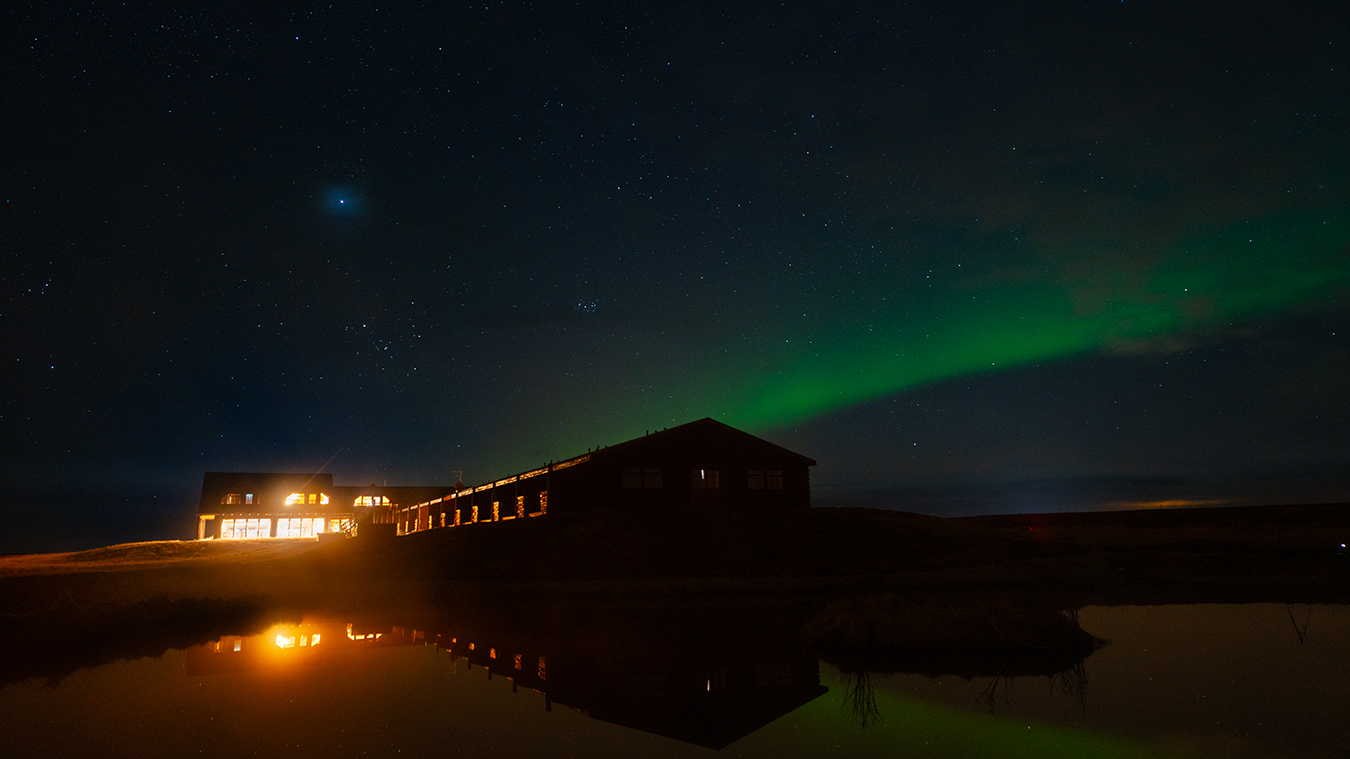
The tours last sighting of lady aurora over Hotel Ranga on our final night together; Shot on Sony A7IV at f2.8, 24mm (12-24mm, f.28), ISO 1600, SS 6s
There’s a viral post that claims seeing the aurora in Iceland can add seven years to your life. I haven’t been able to track down the original study, but here’s what I can say: witnessing it is utterly life-altering. Yes, you can see it with the naked eye. No, it doesn’t always pop as vividly as it does in photos. But when the sky is dark enough, when your eyes adjust, when you can see your breath puff in the crisp night air—you might be lucky enough to notice what looks like dancing clouds, flowing and fluid, graceful and hypnotic. That’s lady aurora making her presence known.
Even months after returning, my heart still lingers in Iceland, gazing at that endless sky. As September approaches and the next aurora season dawns, I hope you find your way under those dancing lights. They might just change your life, as they changed mine. Under that sky, I was reminded that magic still exists in this world—and that the spark of my explorer spirit can always be reignited.
For more adventures, tips, and to follow along on my future hikes and photography journeys, make sure to check out my social media. I’d love to see your northern lights shots or hear about your own experiences out under the stars! Feel free to connect with me on Instagram and Youtube, and don’t forget to drop any questions or share your stories in the comments below. Keep looking up, and happy shooting!