
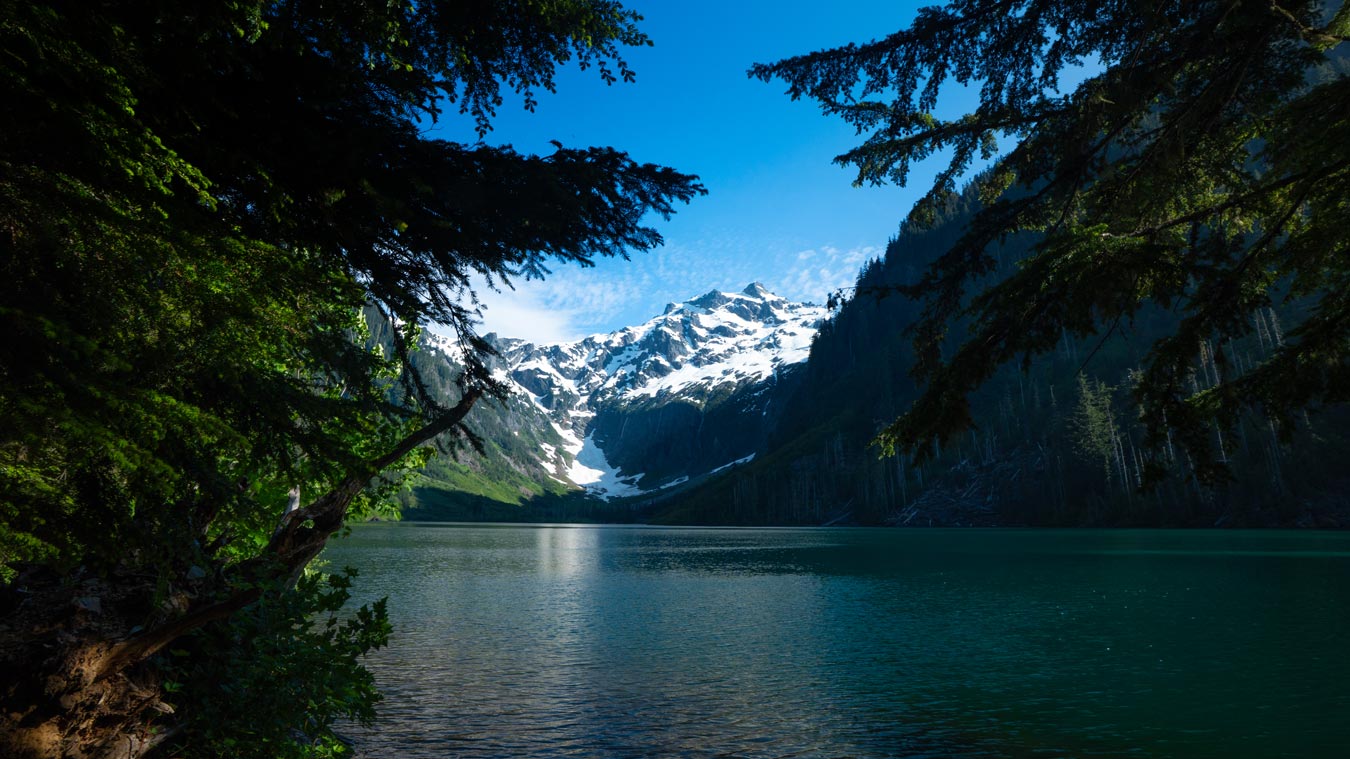
Hidden deep within the rugged landscapes of the North Cascades, Goat Lake in Washington is one of the most beautiful alpine lakes in the Pacific Northwest. Surrounded by towering peaks, dense evergreen forests, and cascading waterfalls, the lake feels like a hidden oasis tucked high in the mountains.
While many hikers visit Goat Lake Washington as a long day hike, I decided to take the experience a step further: packing overnight gear and spending a full evening and morning in the alpine basin. What followed was a journey through old-growth forests, rushing glacial creeks, and eventually one of the most peaceful mountain lakes I’ve ever experienced.
Trips like this are why I love hiking in Washington. You can spend hours walking through quiet forest corridors beneath towering trees, only to suddenly emerge into an open alpine landscape surrounded by jagged peaks and sweeping mountain views. And when you choose to stay overnight, the entire experience transforms. The crowds disappear, the wilderness quiets, and you begin to see the landscape in a completely different light. Backpacking to Goat Lake isn’t just a hike. It’s a chance to slow down, unplug, and immerse yourself in the rhythm of the mountains.
Goat Lake Washington Trail Statistics
Goat Lake is located within the Henry M. Jackson Wilderness, surrounded by Mount Baker–Snoqualmie National Forest in Washington’s North Cascades.
The hike is about two hours northeast of Seattle, near the mountain town of Darrington. The journey begins along the scenic Mountain Loop Highway, a road famous for its dramatic mountain scenery, rushing rivers, and rugged landscapes. A small turn onto Elliott Creek Road leads to the Elliott Creek / Goat Lake Trailhead, where the hike begins.
Trail Overview
- Distance: ~10.5 miles round trip
- Elevation Gain: ~1,400 feet
- Difficulty: Moderate
- Best Season: July through October
The trail forms a loop made up of two paths:
- Lower Elliott Trail
- Upper Elliott Trail
For my hike, I chose to hike in via Lower Elliott Trail and return the following morning along Upper Elliott Trail, creating a scenic loop through the forest.
Quick Tips for Hiking Goat Lake
A few tips can make your Goat Lake Washington hike much more enjoyable.
- Bring water filtration
- Elliott Creek provides multiple water sources along the route.
- Pack layers
- Mountain weather can change quickly in the Cascades.
- Start early
- This trail is extremely popular during summer weekends.
- Check road conditions
- Sections of Mountain Loop Highway can close seasonally.
- Check trail conditions beforehand: https://www.wta.org/go-hiking/hikes/goat-lake
- Be wildlife aware
- While extremely rare, mountain lions have occasionally been spotted in the region.
- Protect your vehicle
- Avoid leaving valuables inside your car overnight. While rare, break-ins do occur at popular trailheads.
The Journey to Goat Lake
The first few miles along the Lower Elliott Trail wind through dense evergreen forest where towering trees block most of the sunlight and the sound of Elliott Creek echoes through the valley. This section of trail feels quintessentially Pacific Northwest. Moss blankets nearly everything—tree trunks, fallen logs, and even sections of the trail itself. Ferns line the path and the forest feels damp, quiet, and incredibly alive.
One of the highlights of the lower trail is the stretch where the path follows Elliott Creek. The water crashes through narrow canyon walls, forming small waterfalls and deep turquoise pools that feel almost untouched.
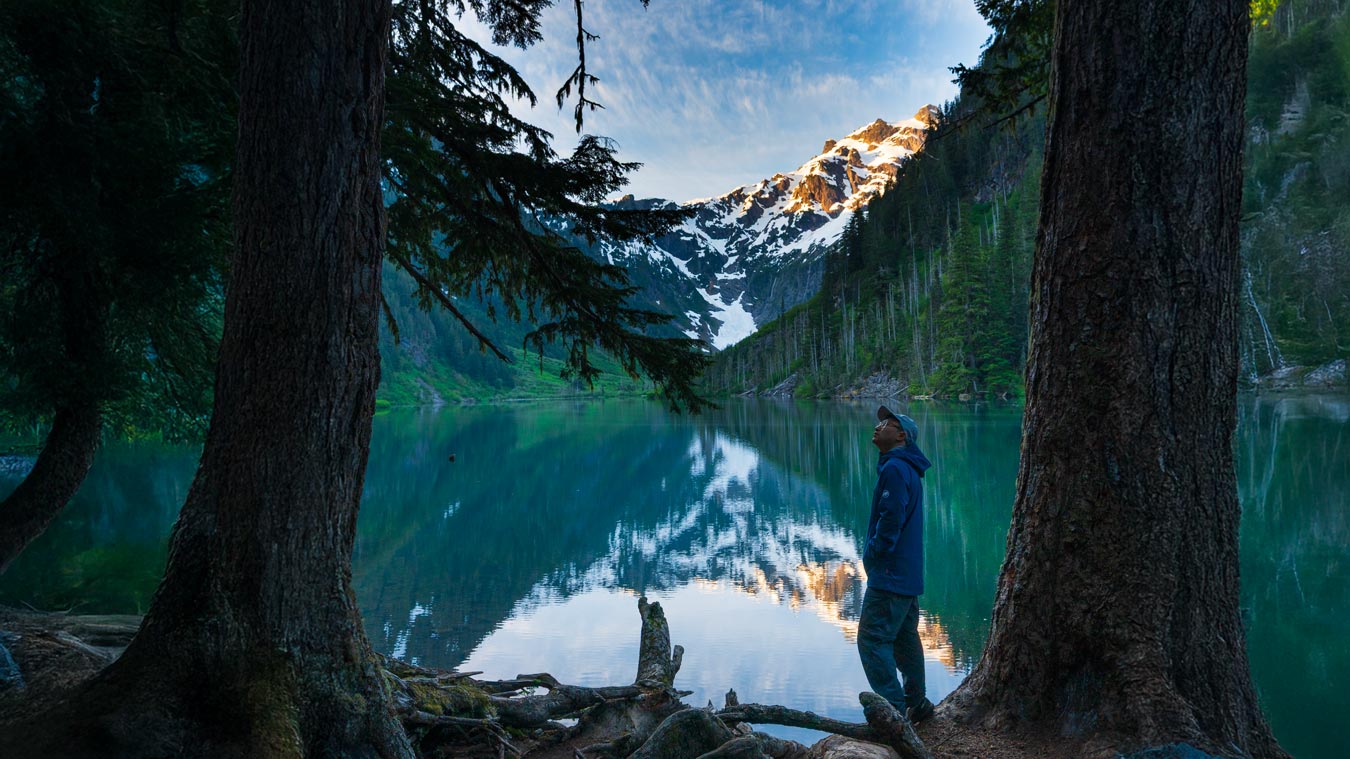
After several miles through the forest, the trail gradually climbs before suddenly opening into a wide alpine basin. And then, almost without warning, Goat Lake appears. The lake sits perfectly still beneath the surrounding mountains, its deep blue water reflecting the jagged peaks above. After miles of forest hiking, the openness of the basin feels almost surreal. I dropped my pack near the shoreline and took a moment to simply absorb the view. The quiet was overwhelming in the best possible way.
After the long hike in, I celebrated the only way that felt appropriate, chilling a couple beers in the ice-cold lake and jumping in for a quick polar plunge.
Nothing quite makes you feel alive like swimming in an alpine lake.
Setting Up Camp in the Alpine Basin
Backcountry camping at Goat Lake Washington completely transforms the experience. Most day hikers begin leaving by late afternoon, and the basin becomes noticeably quieter. As evening approached, the surrounding peaks began glowing in warm golden light while the lake slowly turned calm and reflective.
The campground itself is lovely: set beneath tall trees and covered in soft pine needles. While I’ve read it can get crowded, there were only two other tents during my visit. After setting up camp, I realized how tired I was from the drive and hike. Instead of chasing photos all evening, I decided to slow down.
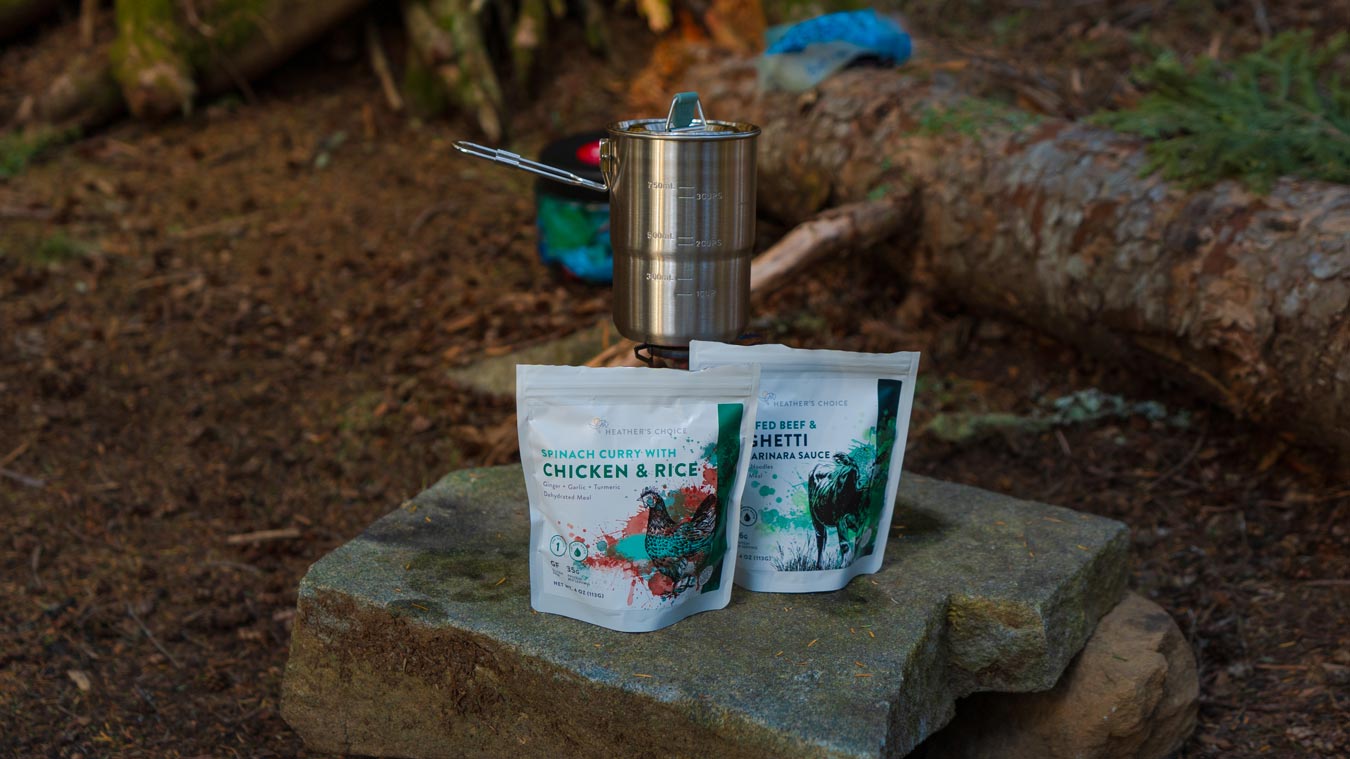
I cooked dinner early beneath the trees as the sun set behind the mountains and turned in shortly after, hoping to wake early for sunrise.
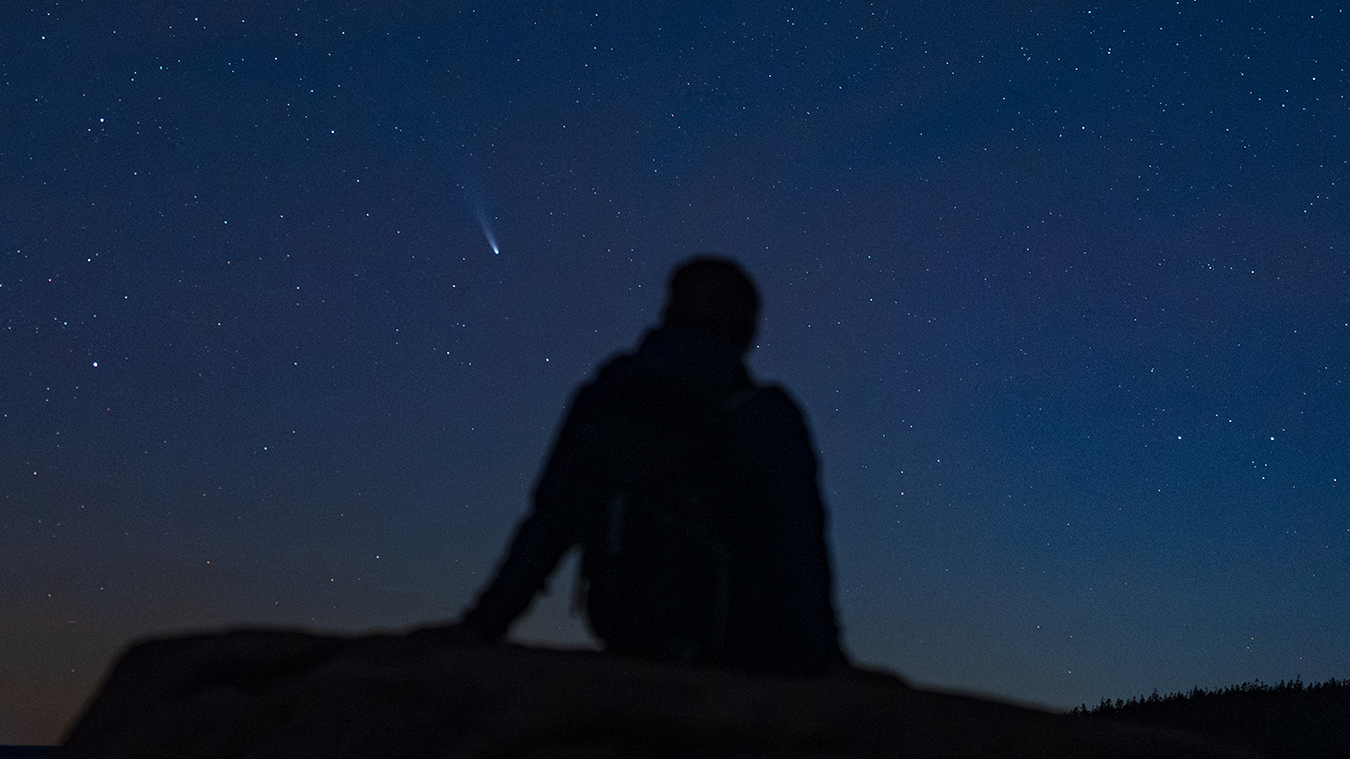
Later that night, despite being exhausted, I stepped outside the tent to capture the stars drifting across the sky above camp. Away from city lights, the dark skies of the backcountry reveal an incredible display of stars. These are the moments that make overnight backpacking trips unforgettable.
Sunrise at Goat Lake
Morning in the mountains arrives quietly. I woke early and walked down to the shoreline just as the first light of day began revealing the surrounding peaks. Soft golden rays slowly illuminated Cadet Peak, while the valley below remained cool and shadowed.
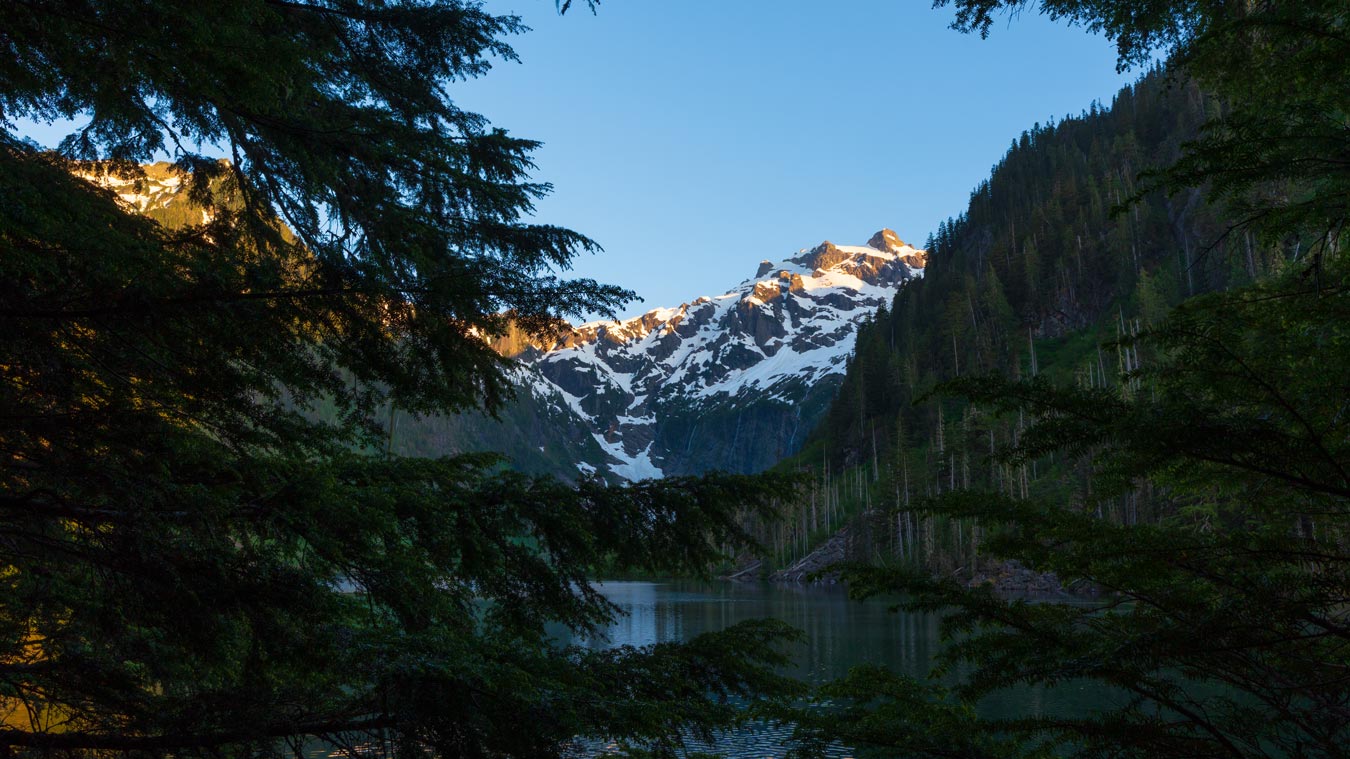
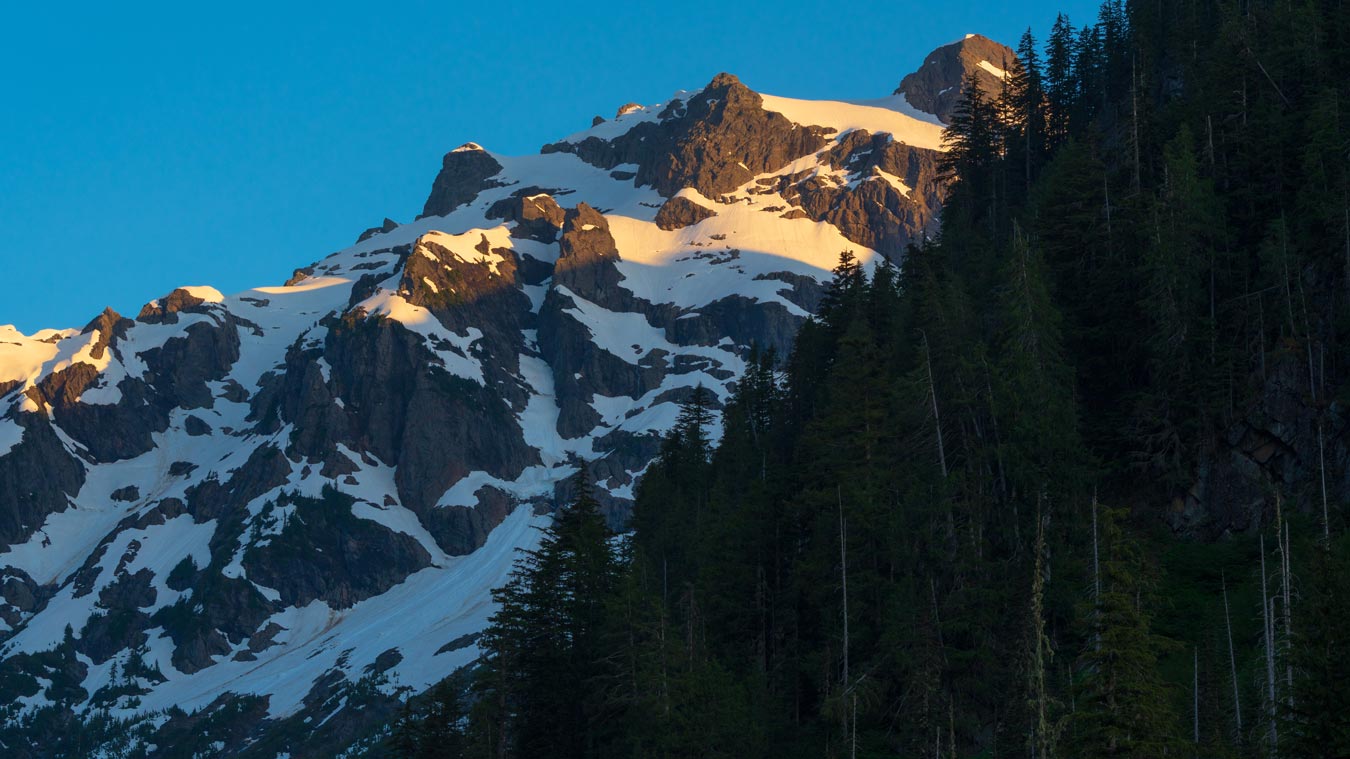
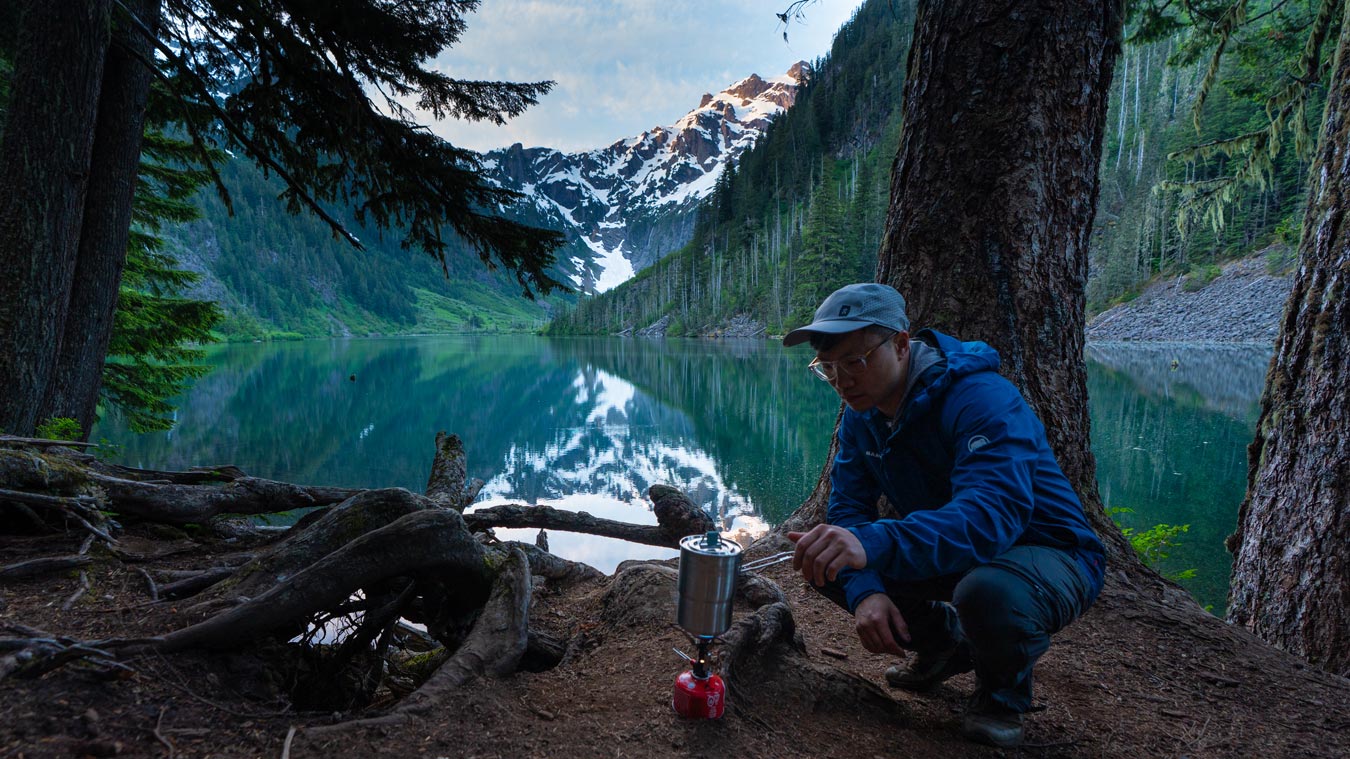
The lake was even calmer than the night before, creating perfect reflections across the water. The entire basin felt untouched, as if the landscape had reset overnight.
I brewed a fresh cup of coffee lakeside and simply sat there enjoying the peaceful stillness.
After packing up camp, I began hiking back along Upper Elliott Trail, making one final stop at Mackintosh Falls, a beautiful waterfall just off the trail that I had skipped the day before.
It felt like a perfect final surprise before leaving the mountains.
Photography Tips for Goat Lake
For photographers, Goat Lake offers incredible opportunities throughout the day.
Best Light
Sunrise and sunset provide the most dramatic lighting conditions, especially when the surrounding peaks reflect across the calm lake surface.
Reflections
On calm mornings the lake often turns into a perfect mirror. Arriving early gives you the best chance of capturing these reflections before the wind picks up.
Night Photography
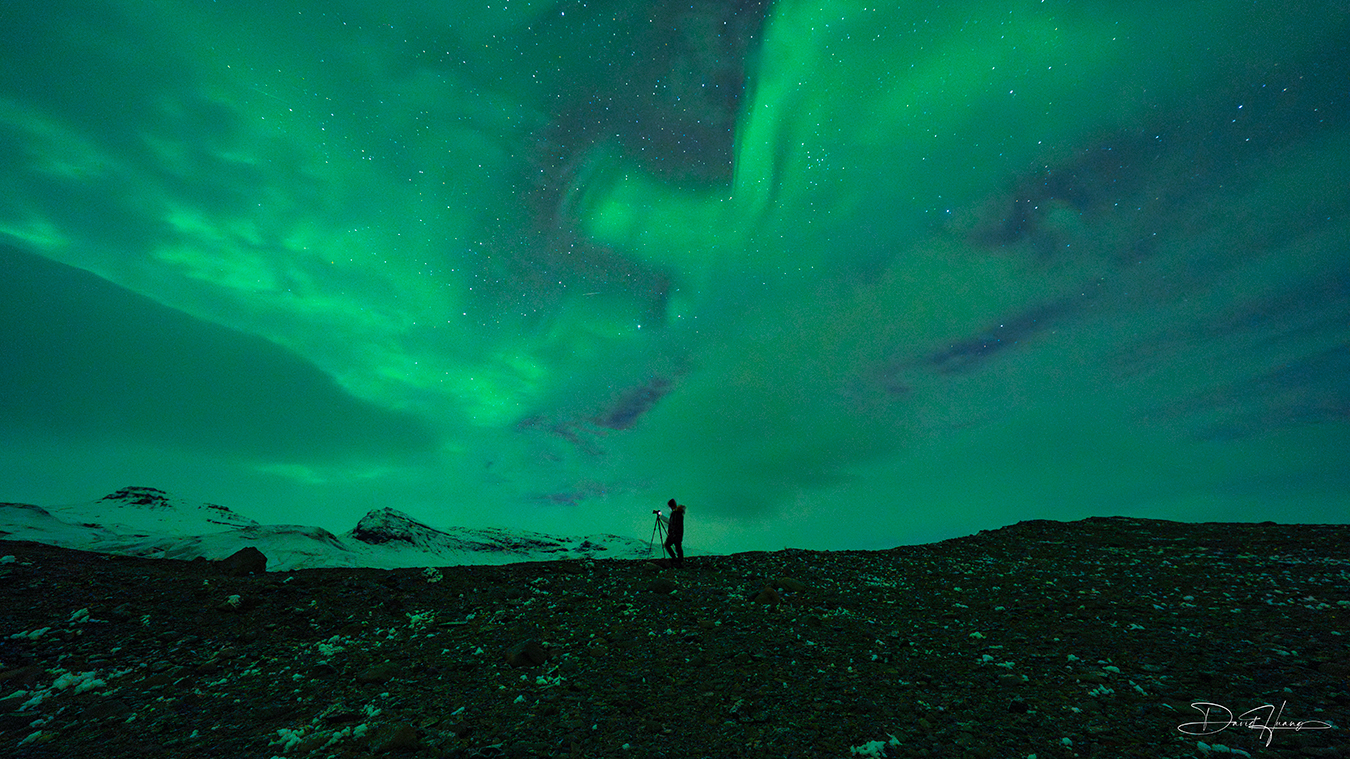
Because the area sits far from major cities, Goat Lake offers excellent dark skies for astrophotography. On clear nights the Milky Way can be visible above the surrounding peaks. The area is a Bortle class 3 dark sky.
Planning Your Goat Lake Adventure
If you’re planning a trip to Goat Lake Washington, here are a few things to know.
Do You Need a Permit?
Northwest Forest Pass is required. Details linked here.
Many trailheads in Washington and Oregon’s National Forests require a Northwest Forest Pass when facilities such as restrooms, picnic tables, or developed parking areas are present.
This includes many popular hiking destinations in the Cascade and Olympic Mountains, including trails like Goat Lake.
Pass Options
Day Pass (1 day)
$5 per vehicle
Annual Northwest Forest Pass
$30 per year
Valid at most Forest Service day-use sites across Washington and Oregon.
Where to Buy
• National Forest ranger stations and visitor centers
• Approved outdoor retailers and vendors
• Online via Recreation.gov ePass
• Scan & Pay QR codes available at select trailheads
Best Time to Visit
The best months are July through October, when the trail is typically snow-free.
Is Goat Lake Good for Backpacking?
Yes. Goat Lake is a great beginner backpacking trip thanks to its gradual elevation gain and well-maintained trail.
Goat Lake Washington Hiking Vlog
If you’d like to experience this adventure visually, I documented the entire journey in a cinematic hiking vlog.
The video captures the full experience, from hiking through the forests of the Mountain Loop Highway to sunset at the lake and the peaceful morning that followed.
Reflections on the Experience
Goat Lake Washington may not be the easiest destination in the North Cascades, but that’s exactly what makes it special.
The miles of hiking create a sense of journey that makes arriving at the lake feel earned.
And staying overnight adds another layer to the experience. Once the day hikers leave and the mountains grow quiet, the landscape begins to reveal a completely different side of itself.
Moments like this are why I continue exploring alpine lakes throughout the Pacific Northwest.
They remind us how powerful and peaceful wilderness can be when we slow down long enough to truly experience it.
Frequently Asked Questions About Goat Lake
How long is the Goat Lake hike?
The hike is approximately 10.5 miles round trip with about 1,400 feet of elevation gain.
Is Goat Lake a difficult hike?
The trail is considered moderate, primarily due to its length rather than steep climbing.
Can you swim in Goat Lake?
Yes, but be prepared for extremely cold water, as the lake is fed by snowmelt.
Is camping allowed at Goat Lake?
Yes, backpackers can camp at designated sites near the lake.
Follow the Journey
I document many of my hiking and photography adventures across national parks, alpine lakes, and remote wilderness areas here on my blog.
If you enjoyed this trip to Goat Lake Washington, you can follow more adventures and behind-the-scenes moments from the trail on my social channels. I regularly share photography from the mountains, astrophotography from dark sky locations, and cinematic travel stories from some of the most beautiful landscapes in North America.
You can also subscribe on YouTube to watch new cinematic adventure films as they’re released.
And if you’d like to see more moments from my hikes and photography expeditions, follow along on Instagram, where I share highlights from recent trips and explorations.
The mountains are always calling, and there’s always another adventure waiting just beyond the next trail.

Leave a Reply