
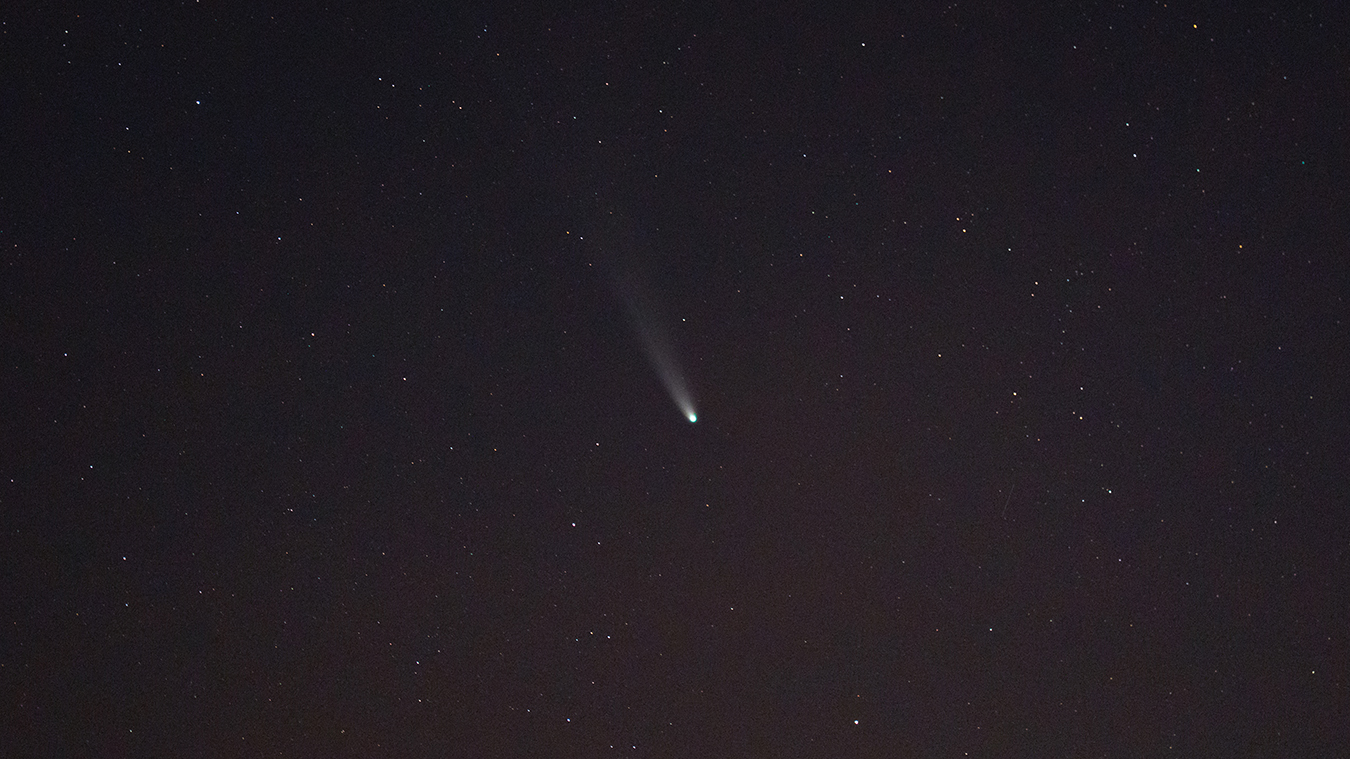
When I first read about Comet C/2025 A6, better known as Comet Lemmon, I didn’t hesitate. Some celestial events feel optional. This one didn’t. A rare visitor from the outer reaches of our solar system, drifting into visibility for a brief moment before slipping back into darkness for centuries, certainly longer than my lifetime. November in Maine is cold, unpredictable, and not exactly forgiving, but the timing lined up, and that was enough for me.
Discovered in January 2025, Comet Lemmon was projected to peak in visibility through October and November, reaching its closest approach to Earth around October 21 and swinging through perihelion on November 8. It wasn’t supposed to be a blazing spectacle but more of a binocular target. Maybe faintly visible to the naked eye under dark skies. Subtle. Quiet. The kind of object you have to work for.
And that’s what made it irresistible.
There’s something about chasing a comet that feels fundamentally different from photographing the Milky Way. The Milky Way is in many ways dependable. Predictable. It will arc across the sky again next season. And not that I don’t love that. I will always enjoy capturing its magnificence. But a comet? It doesn’t care about your schedule. It shows up once, briefly, and then vanishes back into deep time. That urgency, that fragile, fleeting window is what had me packing layers, loading my tripod, and driving north toward Acadia.
Because some nights aren’t meant to be convenient. They’re meant to be seized!
Why Acadia Is Perfect for Comet Photography
There’s something about Acadia National Park that keeps pulling me back, and I think a big part of it is when I choose to go. I’m a shoulder-season kind of traveler. November in Acadia feels like you’ve been handed the keys to the park. The crowds are gone. The parking lots are empty. The trails are quiet except for wind and waves. That kind of solitude changes how you create. There’s no rush, no pressure. Just space to slow down and really see.
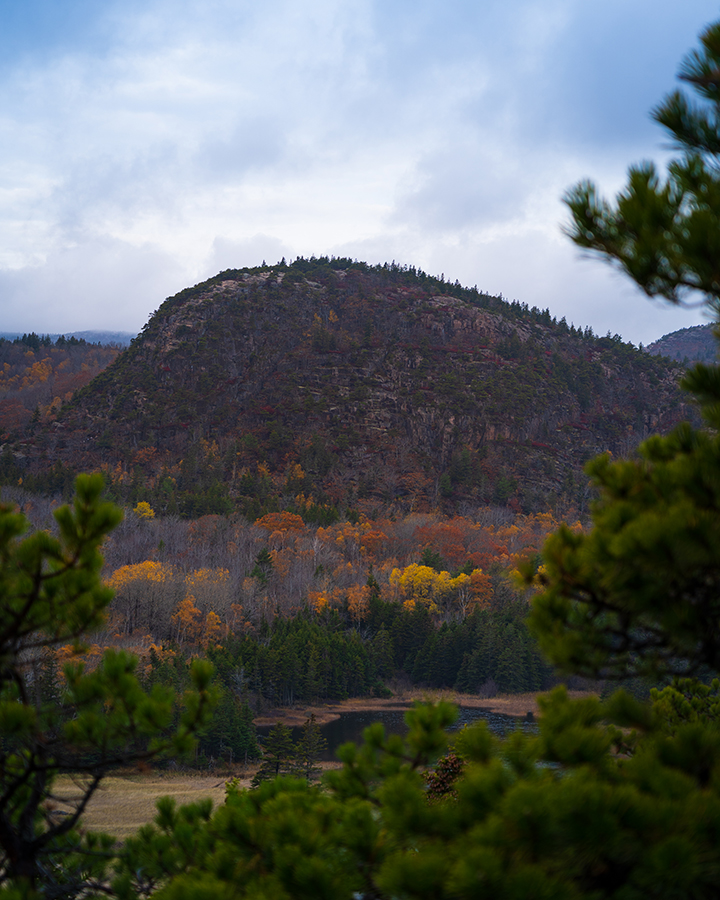
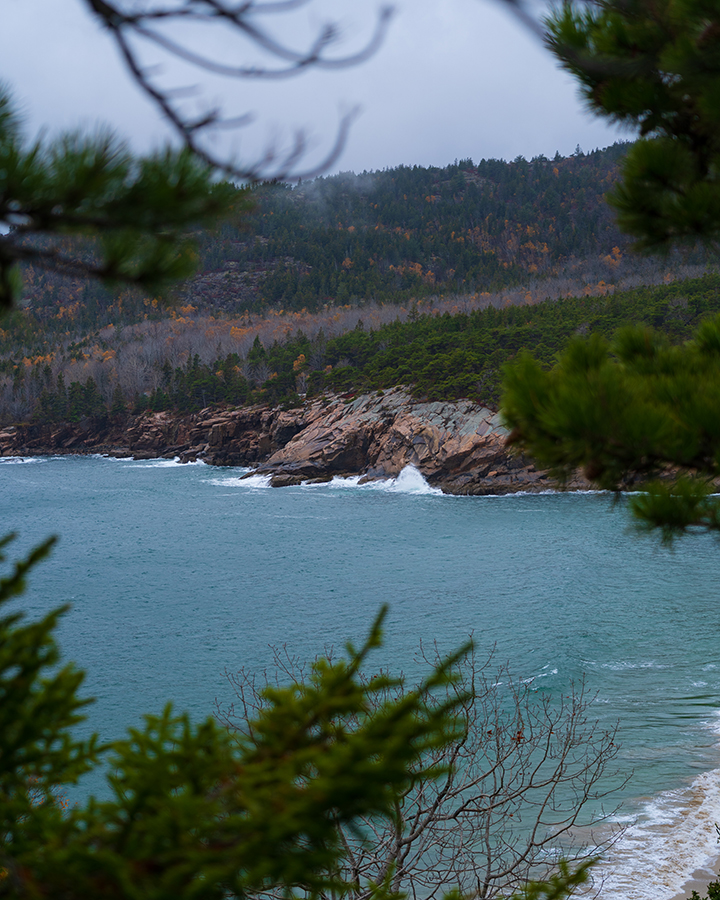
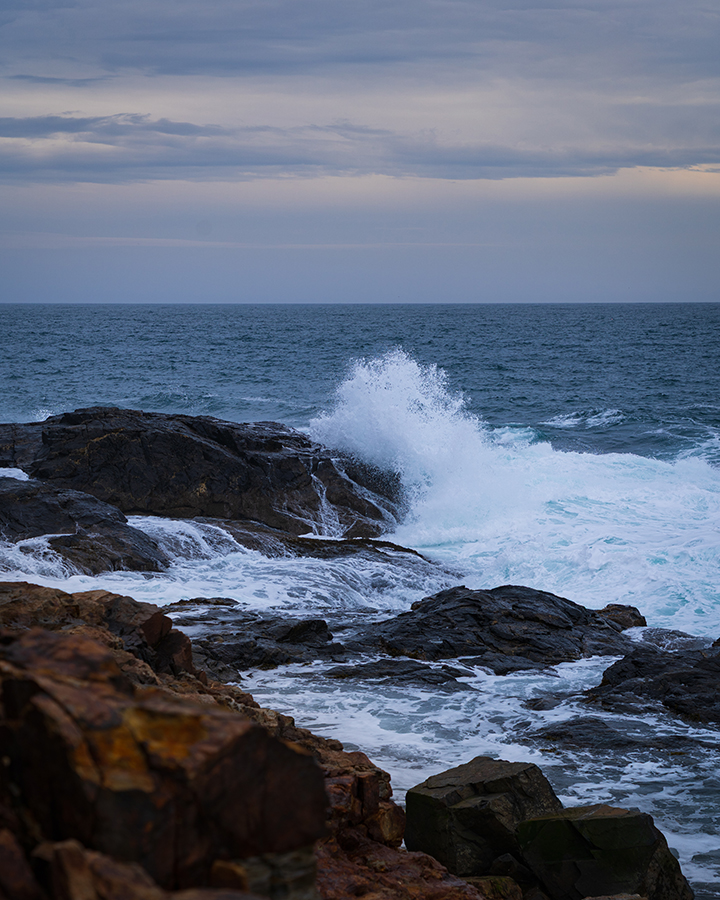
Maybe it’s the way the Atlantic stretches endlessly to the east, giving you a clean, uninterrupted horizon. When you’re photographing something low in the sky, like a comet, that open ocean becomes everything. Or maybe it’s the granite cliffs, weathered and immovable, standing firm against the sea like they’ve been waiting centuries for moments like this.
For astrophotography, Acadia really is a gem in the Northeast. Once you angle away from the small pockets of town light, the skies get surprisingly dark for the East Coast. And the foregrounds? They don’t just complement the sky. They elevate it. Rugged coastline. Wind-swept pines. Elevated summits that make you feel like you’re standing at the edge of the continent, staring into space.
It’s dramatic without trying too hard. And under a night sky, that drama feels earned.
Off the Beaten Path: Searching for Comet Views in Acadia
Finding a location in Acadia National Park is easy. Finding the right one for a specific celestial event is something else entirely. That takes planning, patience, and a little bit of luck with the weather.
Using Stellarium, I mapped out the path of Comet C/2025 A6 (Comet Lemmon) and saw that it would be hugging the west-southwestern horizon just after sunset. That detail changed everything. I had a narrow one hour window before the moon would rise and wash the sky in silver light. Miss that window and the contrast would be gone.
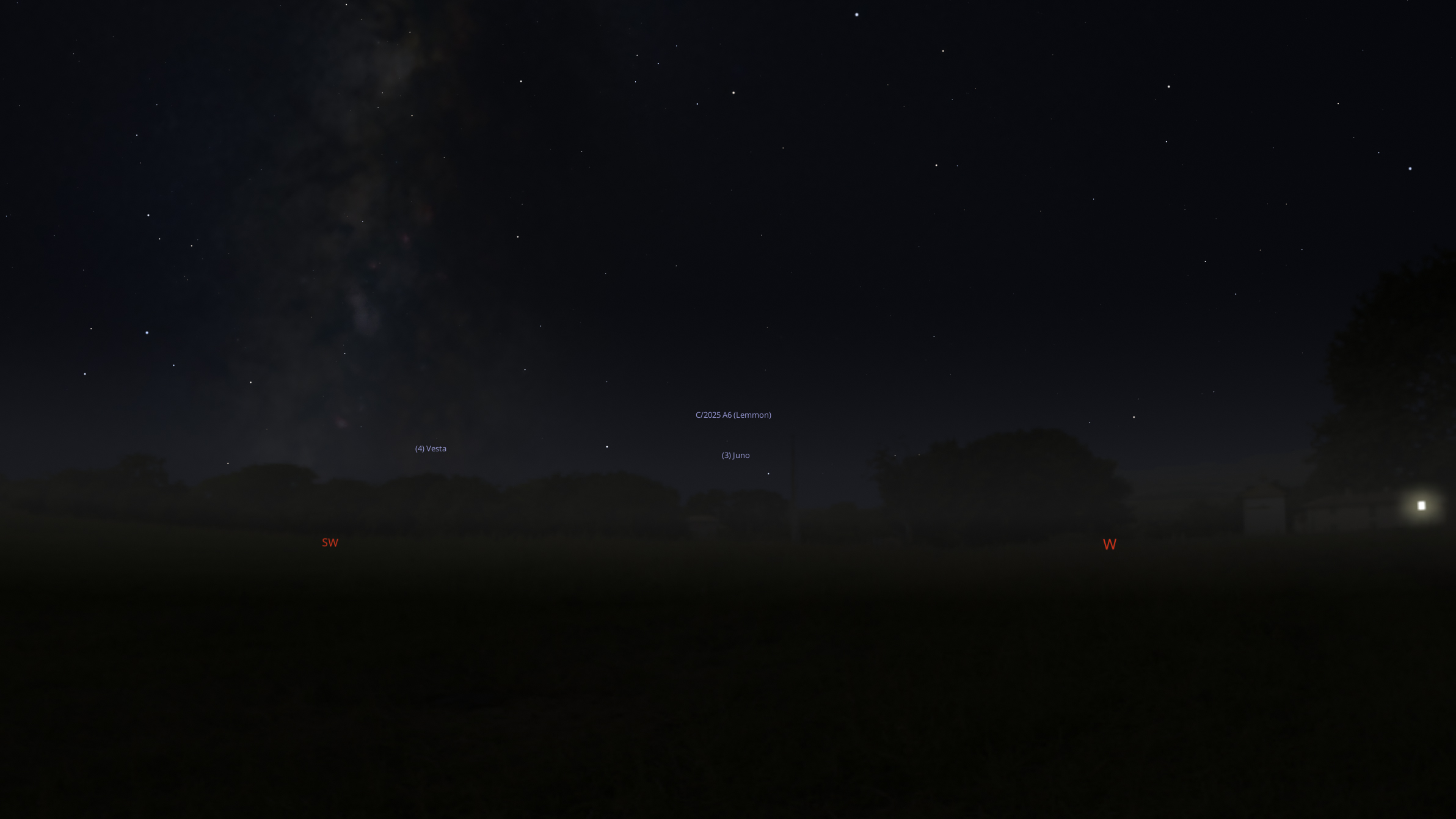
Normally, I gravitate toward the Ocean Path. Otter Cliff is one of my favorite places in the park. But this time the orientation just did not work. The comet would sit in the wrong part of the sky for that composition. So before even leaving New York City, I studied maps, and satellite views. Once I arrived in Maine, I spent the better part of two days scouting in person.
I started with the summit of Great Head. The trail gave me that quiet November solitude I love, and the views toward Gorham Mountain were beautiful. But when I stood there and visualized the comet’s path, the view might be obstructed, potentially compromising the shot. It was too risky. Otter Point was another option that had the view I was looking for, and it had worked for me in the past. But, honestly I wanted to try a different composition.
With the eastern side of the park essentially ruled out, I shifted toward the Bass Harbor area. I briefly considered the iconic Bass Harbor Head Light Station as a foreground. On paper it sounded perfect. But once on location, I saw that the comet would sit too far south. It would not arc cleanly above the lighthouse the way I had imagined.
So I kept moving. Just down the road, I wandered into the Ship Harbor area. The crowds were nonexistent there, and the quiet felt immediate and complete. As I hiked along the rocky shoreline, scanning the horizon, the clouds overhead were shifting and sliding across the sky. I knew I was taking a gamble staying put.
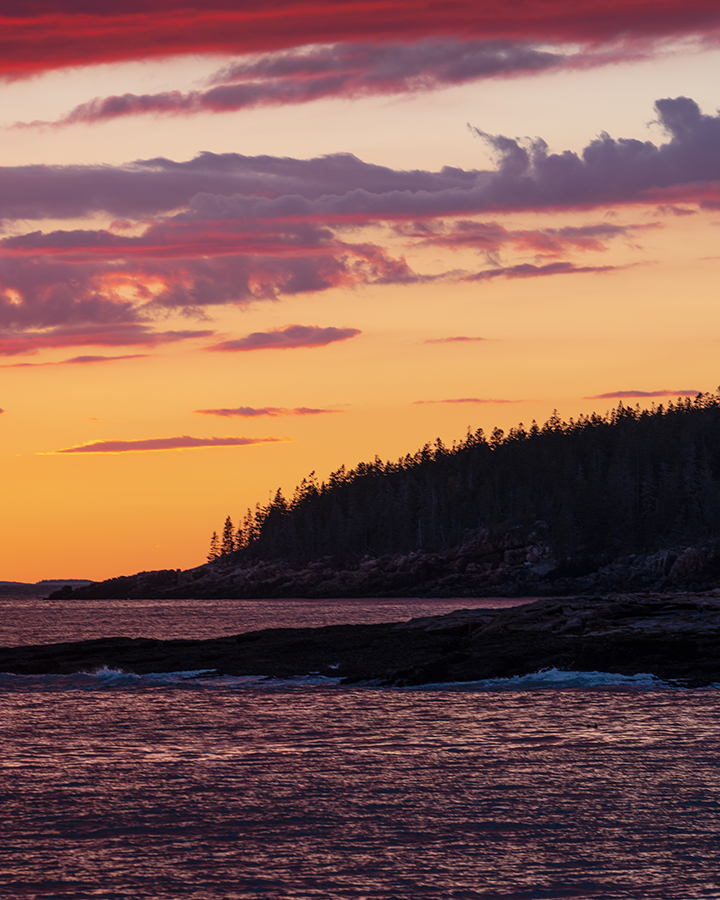
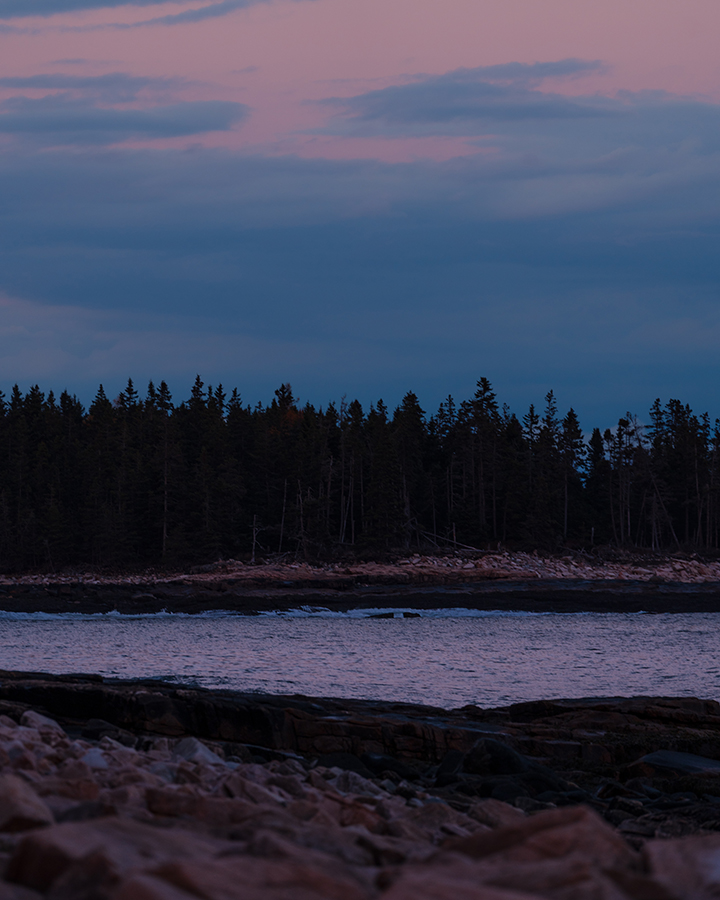
But when the sun dipped below the horizon and the sky deepened into a bruised shade of purple, something settled inside me. This was the place. Whether the comet showed itself or stayed hidden behind the clouds, I had found my stage.
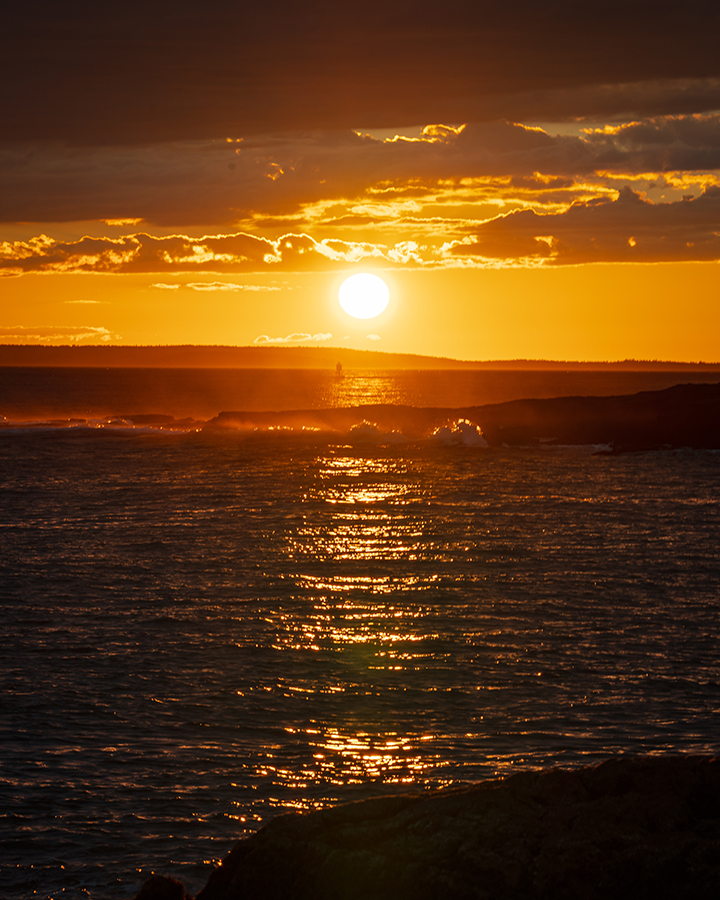
Then, almost unexpectedly, the clouds parted just enough to deliver a stunning sunset. Warm light spilled across the water and lit up the scattered clouds, and I felt a wave of relief. Even if the comet never appeared, I would not be leaving empty handed.As twilight faded and the colors drained from the sky, the scene simplified. What remained was exactly what I had been searching for all along: a low, unobstructed stretch of Atlantic reaching cleanly toward the southwest. No trees interrupting the skyline. No cliffs cutting into the frame. Just ocean and sky, waiting.
The Moment – When the Comet Appeared
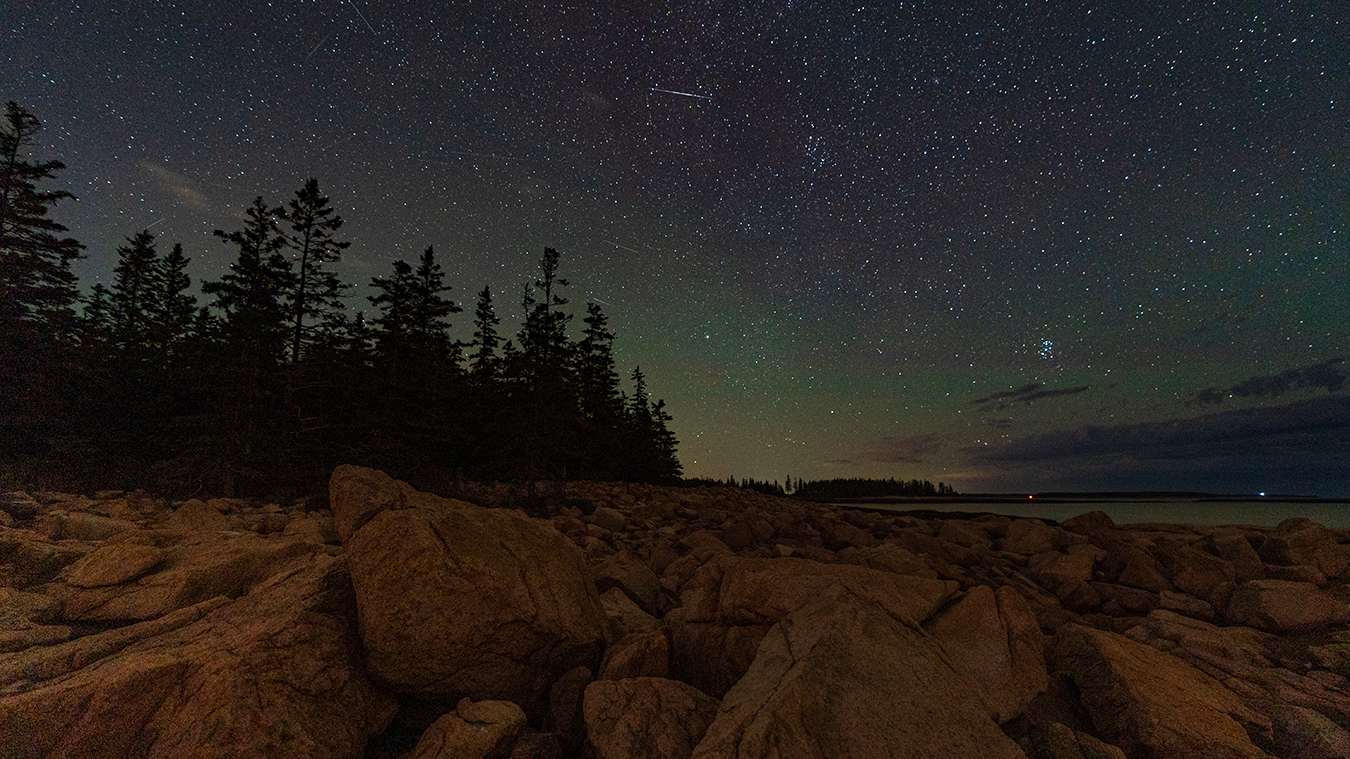
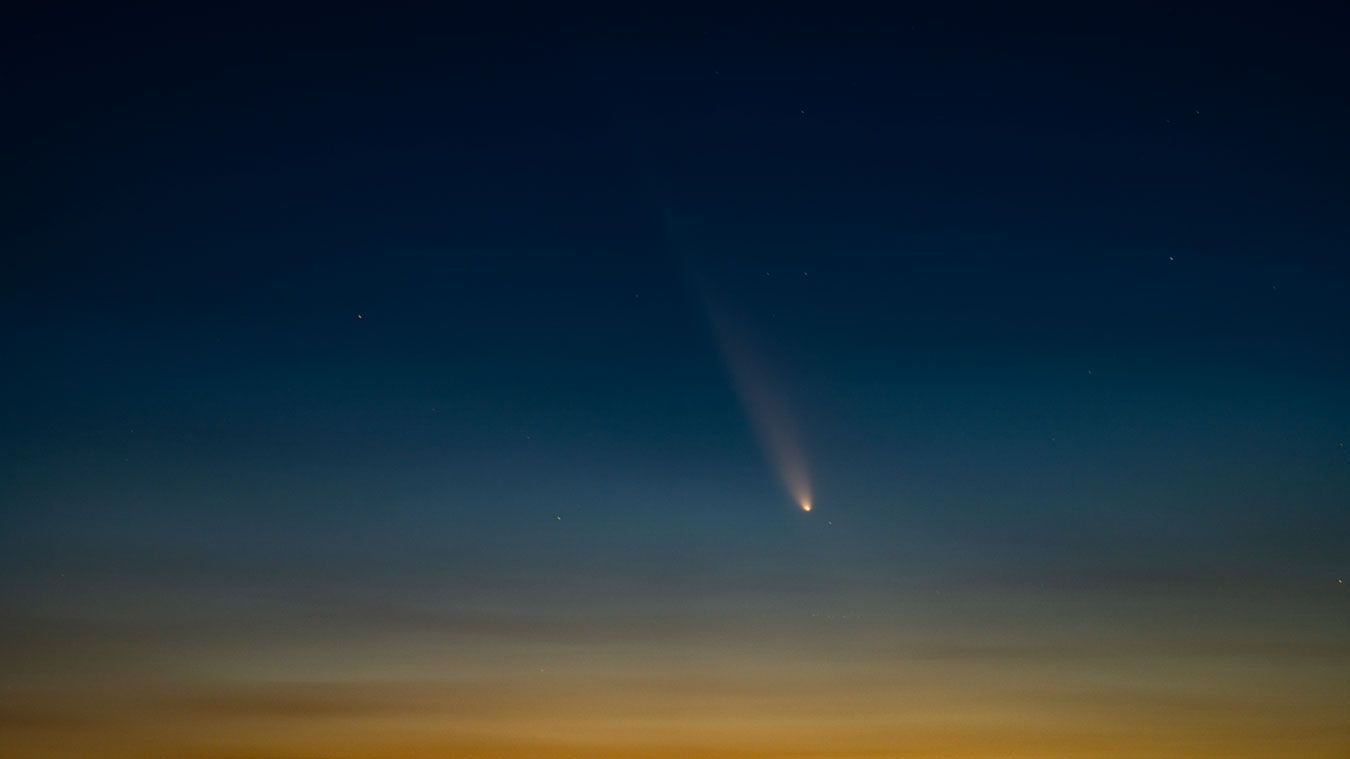
As astronomical twilight settled over the coast, the tension was palpable. I had my two cameras leveled and ready, staring at a wall of gray, just hoping for a miracle. Then, as if the coast of Maine decided to reward the wait, the heavy clouds began to pull east. The sky didn’t just clear, it opened. And there, hanging in the deep indigo of the southwest sky, was Comet Lemmon. Seeing that faint, ethereal glow with the Milky Way trailing closely behind was a moment of pure, silent magnificence. I sat there on the cold, jagged rocks of Ship Harbor, barely remembering to breathe, just soaking in a sight that won’t return to our skies for centuries. For a few fleeting minutes, the universe felt small and reachable, a silent masterpiece painted over the Atlantic before the comet dipped below the horizon and the moon rose to claim the night.
Having previously photographed C/2023 A3 (Tsuchinshan-ATLAS), I knew I did not want to limit myself to a single focal length. Comets can surprise you. Sometimes the tail stretches farther than expected. Sometimes it is subtle and demands compression to really stand out. So this time I came prepared.
In my pack were two lenses I trust completely: the Sony FE 16 to 35mm F2.8 GM II for wide environmental frames, and the Sony FE 70 to 200mm F2.8 GM II for tighter shots that would isolate the nucleus and tail against the darkening sky. I always like having options.
With only about an hour before the moon would rise, I did not have time to experiment slowly. I set up both compositions and began running multiple timelapses simultaneously. One wide to capture the full scene with the Atlantic in the foreground, and one tighter to track the comet’s subtle movement through twilight.
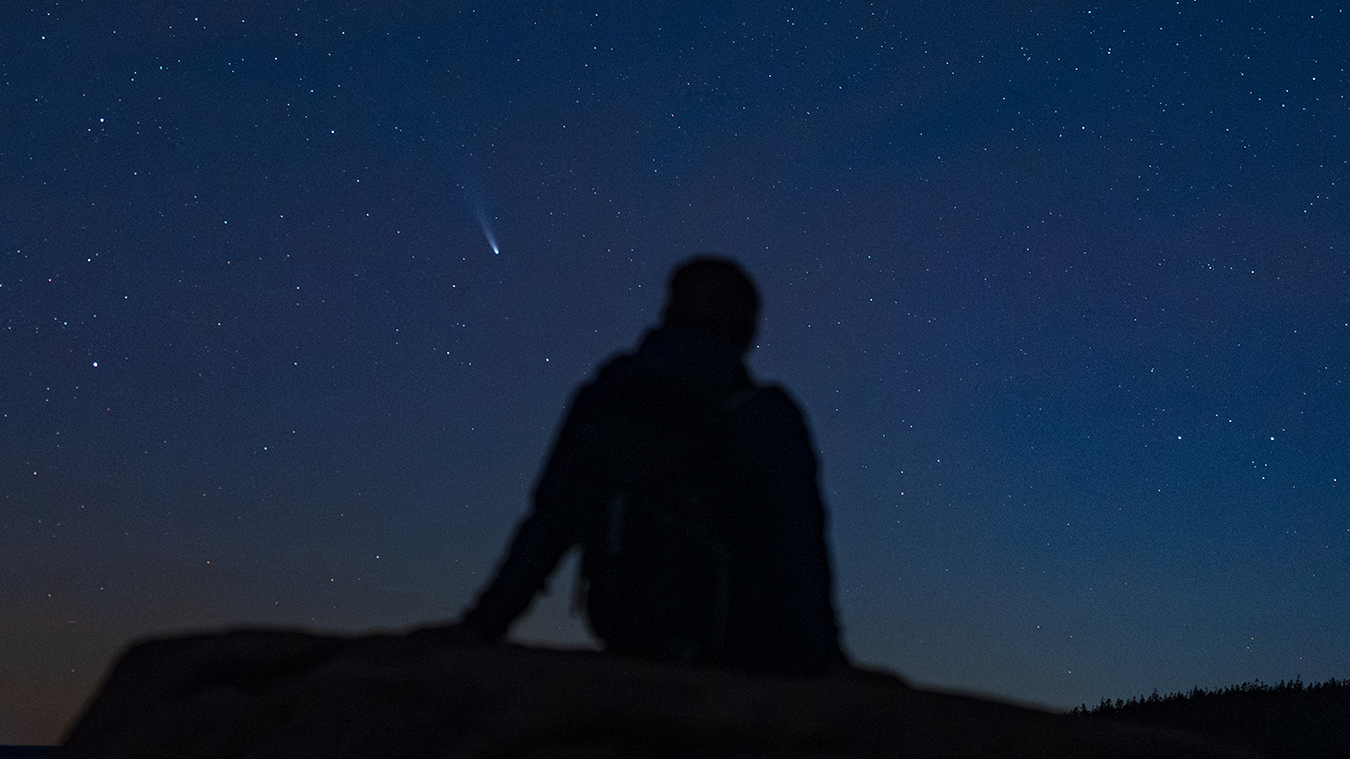
Lessons Learned: Chasing the Ghost
If there’s one thing this trip to Acadia taught me, it’s that chasing a comet is as much about patience as it is about photography. Here is what I’ll take with me for the next celestial event:
- Look for the Subtle Glow: Don’t expect a Hollywood-style streak across the sky. Comets are ethereal and often faint to the naked eye. Turn off your headlamp, put away your phone, and let your eyes truly adjust to the dark. The reward is in the details.
- The Moon is the Real Director: You can have the clearest skies in the world, but if the moon rises too early, the comet’s delicate tail will vanish in the glare. Always check your moonrise and moonset times first. Everything else in your plan is secondary to that window of true darkness.
- Arrive Before the Light Fails: Rushing in the dark is the fastest way to kill creativity (and potentially trip on jagged granite). Get to your location early. Scout your foregrounds while you can still see, so when the blue hour hits, you’re ready to create, not just react.
- Look Up, Not Just Down: It’s easy to get buried in your settings and the glow of the LCD screen. Remember to step back from the tripod. Take a breath. These are the nights you’ll remember. Not for the pixels you captured, but for the silence of the canyon or the sound of the Atlantic under a wandering star.
- Embrace the Process: Whether the clouds part or the sky stays shut, the journey into the wilderness is the real win. If you focus only on the “trophy shot,” you miss the magic of being out there.
The Reward of the Wait: Reflecting on Acadia’s Night Sky
I could have stayed home.
It would have been easier to sit this one out. November in Maine can be cold. The drive from New York City is long. The odds are never guaranteed. And comets, especially subtle ones like this, do not promise spectacle.
But standing there on that quiet stretch of coastline in Acadia National Park, watching Comet C/2025 A6 (Comet Lemmon) hang delicately above the Atlantic, I was reminded why I keep saying yes to these trips.
It is not really about the photo. The photo is proof. The real reward is the stillness. The cold air in your lungs. The sound of waves in the dark. The awareness that you are witnessing something ancient and fleeting at the same time.
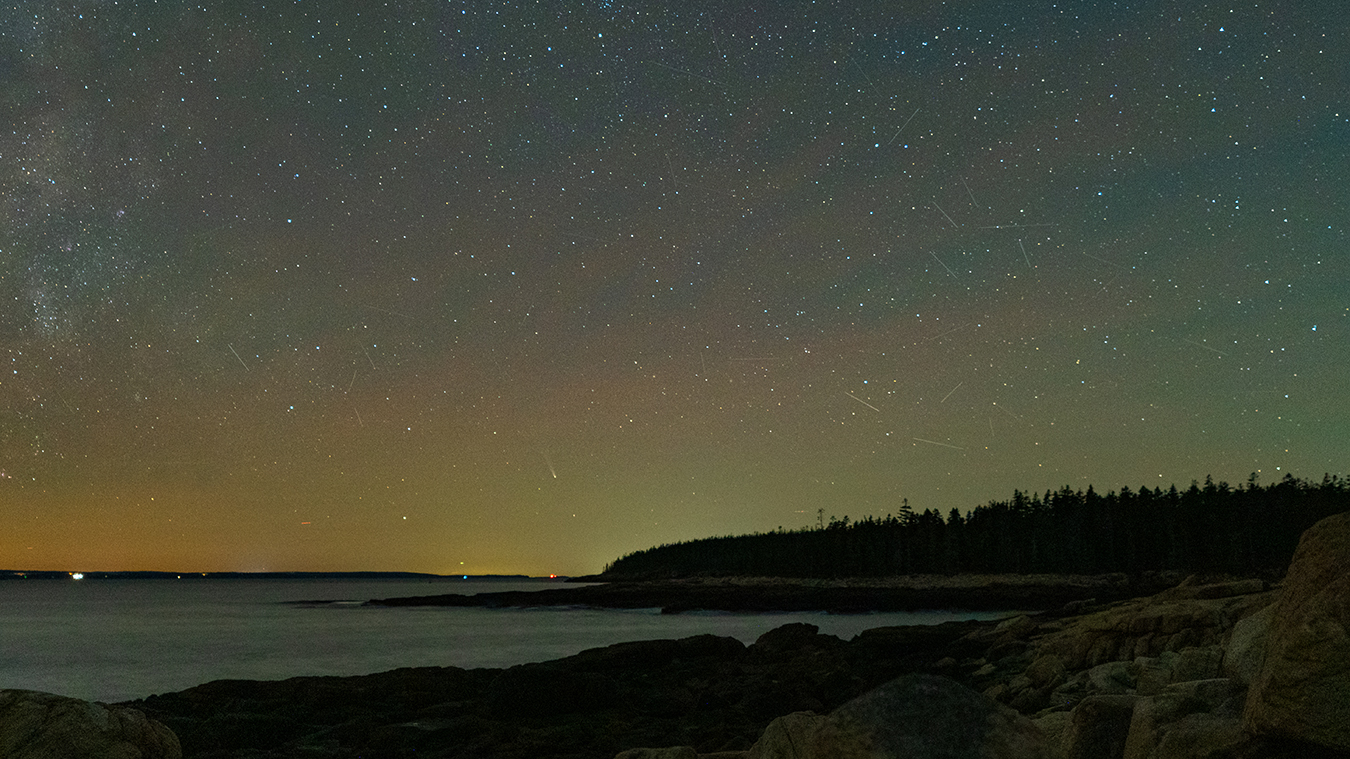
Comets do not care if we are watching. They move on their own timelines. And maybe that is what draws me to them. In a world that feels fast and loud, chasing something slow and indifferent feels grounding.
That night did not feel dramatic. It felt quiet. Subtle. Earned.
And long after the files were backed up and the drive home was over, that quiet stayed with me.
I also documented this entire adventure in a cinematic YouTube vlog — from scouting along the coast to the moment Comet Lemmon finally appeared above the Atlantic. If you want to experience the wind, the color, and the quiet of that night in motion, you can watch the full film over on my YouTube channel.
If you’ve been following my journey for a while, you know this will not be the last time I chase something rare across a dark sky. Nights like this are exactly why I do what I do, and I love bringing you along for the process. Not just the final image, but the scouting, the planning, the cold fingers, and the quiet moments in between. If you want to see the timelapses from this shoot, behind the scenes clips from Acadia, and future adventures under the stars, make sure to follow along on Instagram, and Youtube The next road trip is always just around the corner, and I would love to have you there with me.

Leave a Reply